
Bathroom Storage Ideas That Actually Work
Introduction
AFFILIATE DISCLOSURE: This post contains affiliate links. If you purchase through these links, I may earn a small commission at no additional cost to you. I only recommend products I genuinely love or would use in my own designs. This post is not sponsored, and all opinions are my own.
RENDERING DISCLAIMER: The images in this post are digital renderings created to illustrate my original design concepts. They are intended for inspiration and visualization and may not represent exact dimensions, materials, or construction details. See my full Disclosure & Disclaimer Policy for more information.
Step 1: Start With What You Actually Need to Store
Before choosing a vanity, adding shelves, or buying organizers, start by figuring out what you actually need to store in the bathroom.
It’s easy to design storage around what looks good in a photo—pretty baskets, matching containers, perfectly folded towels—but those solutions aren’t helpful if they don’t accommodate the things you use every day.
Instead, take inventory of what needs a home and divide it into categories.
Everyday Toiletries
Start with the items you use every single day: toothbrushes, toothpaste, deodorant, contacts, razors, and other daily essentials.
These should occupy some of the most convenient storage in the bathroom. A shallow vanity drawer or medicine cabinet is usually more functional for these items than a deep cabinet where small products can easily get lost.
Hair Tools
Hair dryers, curling irons, straighteners, brushes, and styling products require more space than many people anticipate.
If you use these regularly, plan a dedicated drawer, cabinet, or pullout for them near the area where you get ready. Also consider cord management, access to electrical outlets, and whether hot tools need a heat-safe place to cool before being put away.
Makeup
If you apply makeup in the bathroom, shallow drawers are particularly useful because they allow you to see smaller products without stacking them.
Think about the size of your actual collection. Someone with five everyday products needs a very different solution from someone with an extensive makeup collection.
Skincare
Consider separating your daily routine from occasionally used products and backups. The products you reach for morning and night should be immediately accessible, while masks, treatments, and replacement products can occupy secondary storage.
Also check individual product labels for storage requirements rather than assuming every skincare product should be stored in a warm, humid bathroom.
Towels
Decide whether the bathroom needs to store bath towels, hand towels, washcloths, or all three.
Then determine how many actually need to live in the room. You may only need a few towels immediately accessible while the rest of your household linens are stored elsewhere.
Toilet Paper
It isn’t glamorous, but it’s one of the most important things to plan for.
At minimum, keep a few extra rolls within easy reach of the toilet. A vanity cabinet, small built-in, wall cabinet, or discreet basket can all work depending on the layout.
You don’t necessarily need to store the entire package in the bathroom. Think about how much needs to be immediately accessible versus what can live in secondary household storage.
Cleaning Supplies
Decide whether bathroom cleaning products will live in the bathroom or somewhere else in the house.
If you want them nearby, dedicate a specific cabinet area rather than allowing bottles to compete with toiletries. Keep household safety in mind as well—particularly if children or pets can access lower cabinets.
Extra Toiletries
Finally, account for the backups: extra toothpaste, soap, shampoo, skincare, razors, cotton products, and other supplies you purchase before the current one runs out.
Keep your most accessible drawers and cabinets reserved for things you use regularly, and place backups in higher shelves, deeper cabinets, linen storage, or another secondary location.
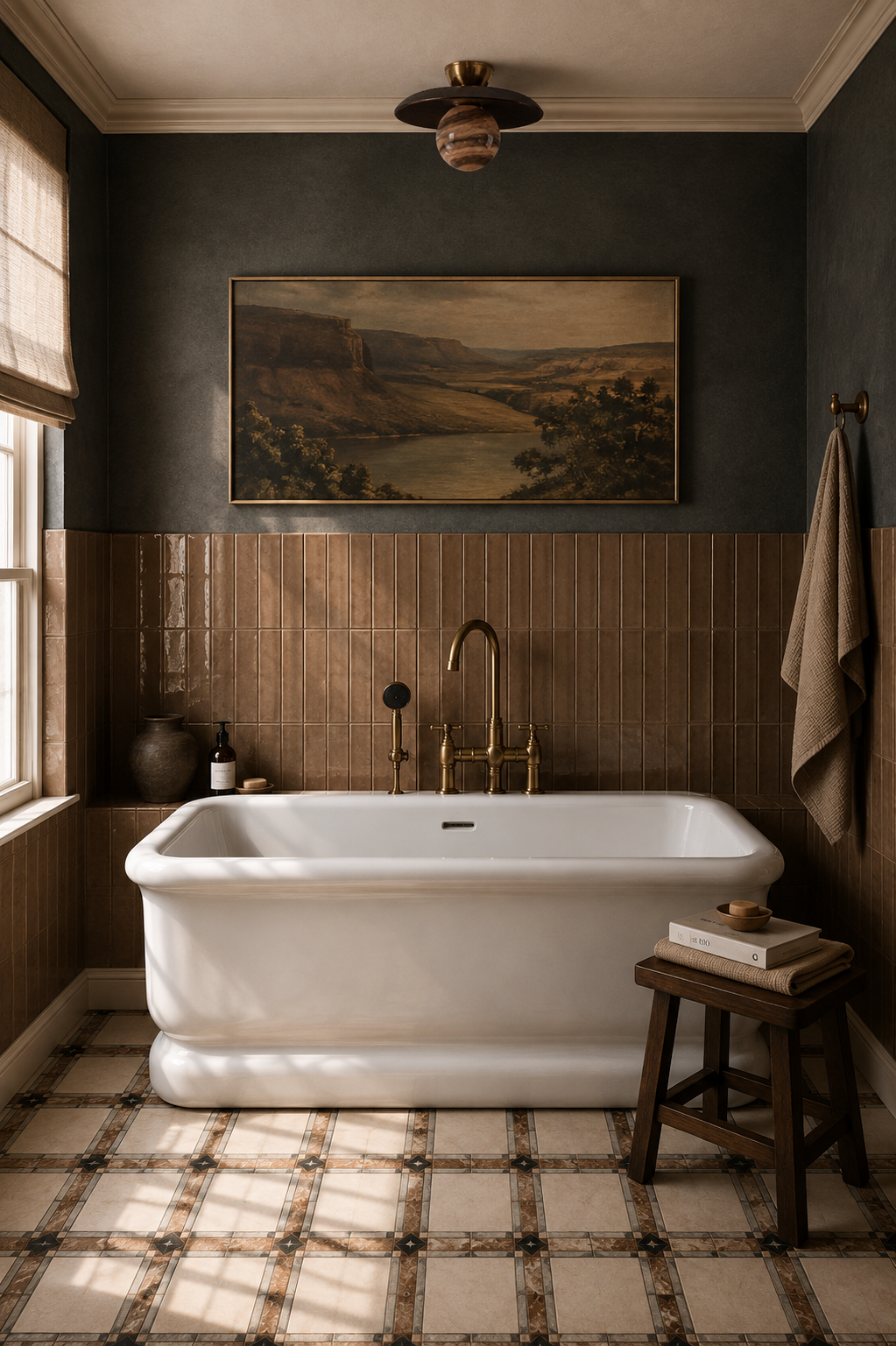
One of my favorite ways to add storage to a remodel is with a ledge above the tub. Slightly angle the tiles down during installation so that water drains easily.
Design the Storage Around Your Life
Once you’ve made your list, you can start assigning each category a location.
Ask yourself:
What do I use every day?
Give it the easiest-to-access storage.
What do I use occasionally?
It can go slightly farther away or deeper into a cabinet.
What am I simply storing as backup?
It can occupy less convenient storage.
This process also helps you determine how much bathroom storage you genuinely need. You may discover that you need more drawers and fewer open shelves—or that you don’t actually need a massive linen cabinet because most of your towels are stored somewhere else.
Plan for your belongings first. Then choose the cabinets, drawers, shelves, and organizers that make those belongings easier to use.
Step 2: Prioritize Closed Storage
Once you know what needs to be stored, prioritize closed storage for the majority of your bathroom essentials.
Open shelves and decorative baskets can be beautiful, but bathrooms contain a lot of visually busy items: shampoo bottles, skincare packaging, hair tools, makeup, cleaning products, extra toilet paper, and toiletries. When too many of these things are visible at once, even a well-designed bathroom can quickly feel cluttered.
Closed storage allows the architecture, materials, lighting, and fixtures to become the focus instead.
Vanity Drawers
If you’re choosing a new vanity, prioritize drawers whenever possible.
Traditional vanity cabinets provide plenty of volume, but they often create one large, deep space where smaller items get pushed toward the back. Drawers allow you to see everything from above and make much better use of the full depth of the vanity.
Consider using different drawer depths for different categories. Shallow drawers work well for makeup, skincare, toothbrushes, and other small toiletries, while deeper drawers can accommodate hair tools, larger bottles, and bulkier products.
You’ll still need to account for plumbing beneath the sink, but many modern vanities incorporate drawers designed around the plumbing rather than sacrificing the entire cabinet.
Organize Vanity Drawers
Vanity drawers are most useful when they’re organized so everyday items have a designated place.
Use drawer dividers, acrylic organizers, small bins, or adjustable compartments to separate categories like skincare, makeup, dental products, hair accessories, and toiletries. Adjustable organizers are especially helpful because you can change the layout as your routine or products change.
Drawers generally work better than deep cabinets for frequently used items because you can see everything from above and access the full depth of the space. In a deep cabinet, smaller products tend to get pushed behind one another or lost toward the back.
Keep the items you use most often in the easiest-to-reach drawers, and reserve deeper or lower storage for larger and less frequently used products.
Cabinets
Cabinets are still valuable, particularly for items that are too tall or bulky for drawers.
They can work well for cleaning supplies, extra toiletries, larger bottles, and other less frequently used items. Interior pullouts, shelves, bins, or organizers can make deep cabinets considerably easier to use.
If you have a combination of drawers and cabinets available, reserve drawers for the small items you access frequently and cabinets for larger or less frequently used belongings.
Linen Cabinets
A dedicated linen cabinet can provide an enormous amount of storage without requiring a large footprint.
Tall cabinets make use of vertical space, which is particularly valuable in bathrooms where floor space is limited. They can hold towels, washcloths, toilet paper, extra toiletries, and other supplies that would otherwise consume valuable vanity storage.
If you’re remodeling, look for narrow areas where a floor-to-ceiling cabinet could be incorporated into the design. Even a relatively slim linen cabinet can provide substantial storage.
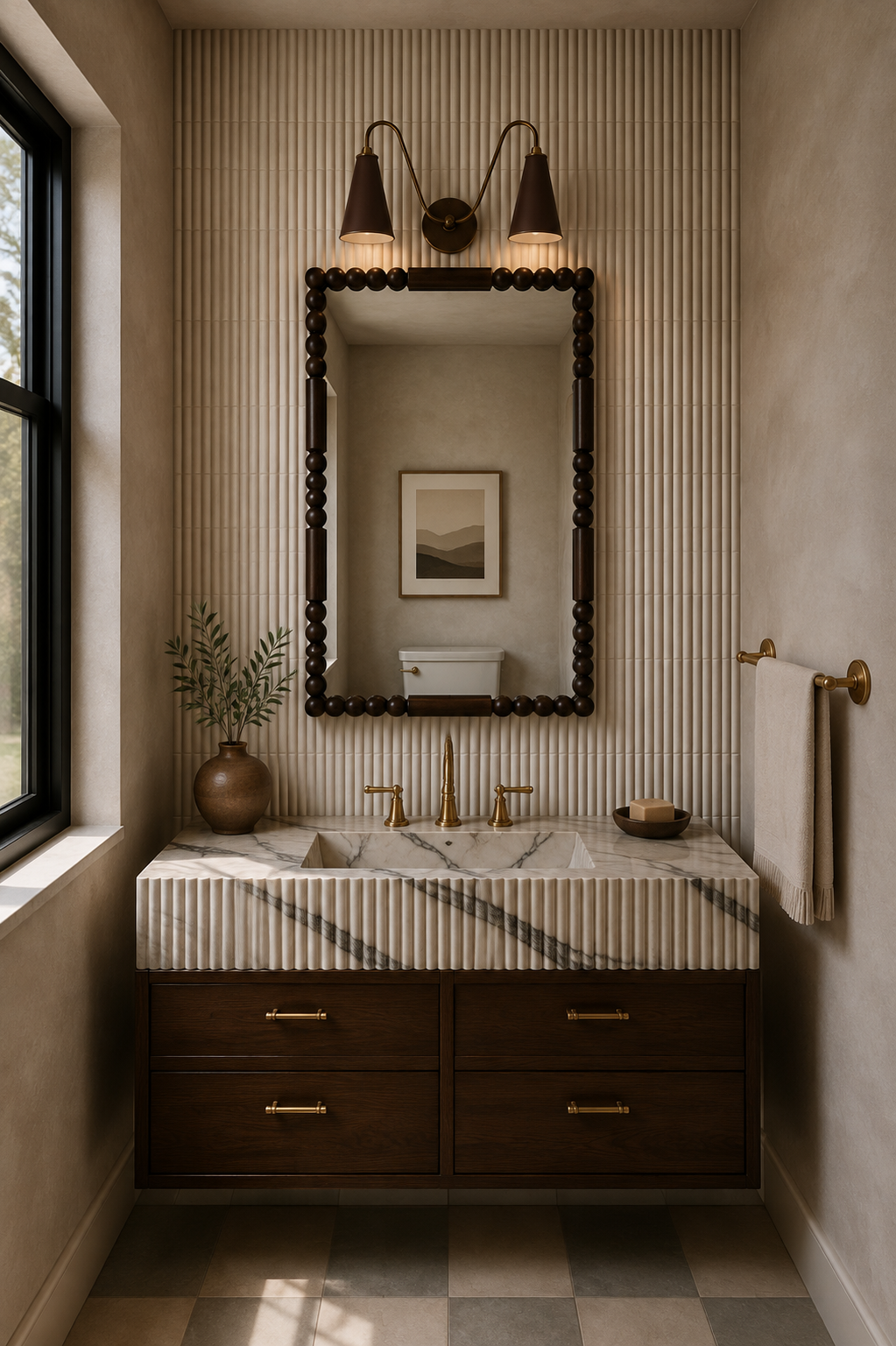
Step 3: Maximize Vertical Space
When bathroom floor space is limited, look up.
Bathrooms often have unused wall space above toilets, beside vanities, near showers, or between architectural elements. Taking advantage of that vertical space can provide additional storage without requiring a larger footprint.
This is particularly valuable in small bathrooms, where adding another piece of furniture or wider cabinetry can make the room feel crowded.
Floating Shelves
Floating shelves can turn an otherwise unused wall into functional storage without taking up any floor space.
They work particularly well above a toilet, beside a vanity, or on a narrow section of wall where a full cabinet would feel too heavy.
Because floating shelves are open storage, use them selectively. They’re best for attractive items you’re comfortable leaving visible—folded towels, a few toiletries in containers, or decorative objects—rather than every product you own.
The goal is to gain useful storage without creating a wall of visual clutter.
Recessed Niches
Recessed storage is especially valuable because it takes advantage of space inside the wall rather than projecting into the room.
Shower niches are the most familiar example, providing a designated location for shampoo, conditioner, soap, and other shower essentials without requiring a hanging organizer or projecting shelf.
But niches aren’t limited to showers. Depending on the wall construction, recessed storage can sometimes be incorporated beside a vanity, near a bathtub, or in another useful location.
If you’re remodeling, niches are much easier to plan before walls are finished. Plumbing, electrical wiring, framing, and structural conditions can all affect where they’re possible.
Wall Cabinets
Wall-mounted cabinets provide the benefits of closed storage without consuming additional floor space.
A cabinet above the toilet, beside the vanity, or on another unused wall can hold toilet paper, toiletries, skincare, cleaning supplies, or extra bathroom essentials.
Keep depth in mind. A cabinet that’s too deep can project awkwardly into a small bathroom or become uncomfortable in a circulation area. Sometimes a shallower cabinet provides all the storage you need while maintaining a more streamlined appearance.
Hooks
Never underestimate a well-placed hook.
Hooks require very little wall space and can provide convenient storage for bath towels, robes, hand towels, or clothing. They can also be easier to use than towel bars because you don’t need to neatly fold or arrange the towel every time.
Consider placing hooks near the shower, bathtub, or bathroom door so they’re located where you’ll naturally reach for them.
Several hooks arranged intentionally can provide significant everyday function without adding another piece of furniture.
Step 4: Make Under-Sink Storage More Functional
The space beneath the sink can provide valuable storage, but plumbing often makes it awkward to use efficiently.
Use pull-out organizers, stackable bins, turntables, or U-shaped organizers to make better use of the available space. Pullouts make items at the back easier to reach, while stackable bins take advantage of vertical space. U-shaped organizers are particularly useful because they’re designed to fit around pipes.
Group similar items together—such as cleaning supplies, extra toiletries, or backup products—and use labels so everything is easy to find and return to its place.
Just be sure to leave enough clearance around pipes and valves for maintenance. Adjustable organizers are especially helpful because they can be configured around your specific plumbing layout.
Step 5: Add Storage Without Remodeling
You don’t need a renovation to add meaningful bathroom storage. There are plenty of renter-friendly and budget-friendly solutions that can make better use of the space you already have.
An over-the-toilet cabinet or slim freestanding cabinet can add substantial storage without changing the room itself. Rolling carts are another flexible option, especially when you need storage that can easily be moved.
Use decorative baskets for towels, toilet paper, or other larger items, and add wall hooks for robes and towels. Floating shelves can take advantage of empty wall space, while a storage stool can provide both seating and concealed storage.
Prioritize pieces that solve a specific storage problem rather than simply adding more containers. Even inexpensive additions can make a bathroom considerably more functional when they’re chosen for what you actually need to store.
Step 6: Create Better Shower Storage
Good shower storage keeps everyday products accessible without making the shower feel cluttered.
If you’re remodeling, recessed niches, corner shelves, and built-in benches can provide dedicated places for shampoo, conditioner, soap, and other essentials. Recessed niches are especially useful because they add storage without projecting into the shower.
For an existing bathroom, a well-designed shower caddy can provide similar functionality without renovation.
Keep shampoo bottles and other products grouped together rather than scattered around the shower. You can also reduce visual clutter simply by limiting how many products stay in the shower. Keep everyday essentials within reach and store backups or occasionally used products elsewhere.
The fewer bottles competing for attention, the cleaner and more intentional the shower will feel.
Step 7: Store Towels the Smart Way
Towel storage should be both easy to access and visually intentional.
If you have the space, linen closets or cabinets are ideal for keeping extra towels clean and out of sight. Open shelving and decorative baskets can work well when closed storage isn’t available, especially when towels are neatly folded or rolled.
For towels currently in use, add wall-mounted towel bars or hooks near the shower, bathtub, or vanity. Hooks are particularly useful in small bathrooms because several can fit within a relatively narrow area.
If towels are visible, treat them as part of the room’s design. Consistent colors, neat folds, and rolled towel displays can turn practical storage into a decorative element.
The goal is to keep everyday towels convenient while preventing extra linens from creating unnecessary visual clutter.
Step 8: Keep Countertops Mostly Clear
A clear countertop can make even a small bathroom feel cleaner, calmer, and more spacious.
Keep only the essentials you use regularly, such as a soap dispenser, toothbrush holder, or small tray for everyday products. If you have enough room, a candle or small plant can add personality without creating clutter.
Everything else—extra skincare, makeup, hair products, medications, and backup toiletries—should ideally have a designated place inside a drawer or cabinet.
Most importantly, don’t feel the need to fill every available inch. Leaving negative space around the items on your countertop gives the eye a place to rest and allows the vanity itself to feel larger and more intentional.
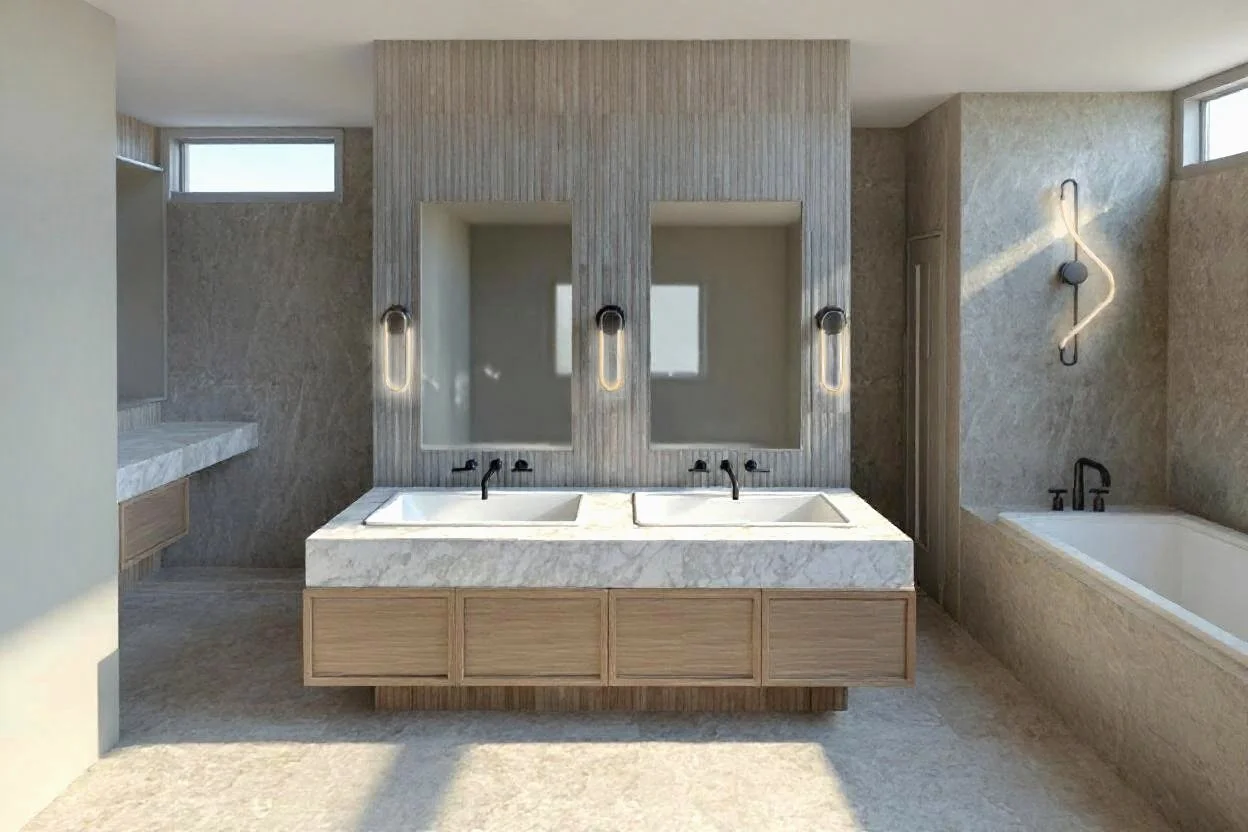
Step 9: Design Storage Around Your Routine
The best bathroom storage isn’t just about fitting everything—it should make your daily routine easier.
Start by asking: What do you reach for every morning? What can stay hidden? And what doesn’t actually need to be stored in the bathroom?
Keep frequently used items in the most accessible drawers, cabinets, or shelves. Store backups and occasional-use products farther away, and move anything that doesn’t need to be in the bathroom elsewhere.
If multiple people share the space, consider creating separate storage zones for each person. Individual drawers, bins, shelves, or baskets can prevent products from becoming mixed together and make it easier for everyone to maintain the system.
Ultimately, organize the bathroom around how you actually use it, rather than trying to make your routine fit the storage.
Common Bathroom Storage Mistakes
Include:
Too much open shelving
Overstuffed cabinets
Buying organizers before decluttering
Storing infrequently used items in prime locations
Ignoring vertical space
Cluttering countertops
Forgetting outlets for hair tools
Not planning for extra towels and toilet paper
Designer Tips for Better Bathroom Storage
Store everyday items within arm’s reach.
Hide visual clutter whenever possible.
Use matching containers for a cleaner look.
Edit products regularly.
Think vertically before adding more furniture.
Choose storage that complements your bathroom’s style.
Conclusion
Great bathroom storage isn’t about fitting more into the room—it’s about making every item easy to find while keeping the space calm and uncluttered. By combining smart storage solutions with thoughtful organization, you can create a bathroom that works better every single day.
