
Before you buy: How to Choose the Right Coffee Table for Your Living Room
Introduction: Why the Right Coffee Table Can Be Surprisingly Hard to Find
A coffee table can look perfect online and completely wrong once it's sitting in your living room. It may be too small, too tall, the wrong shape for your furniture layout, or so large that you're constantly squeezing around it. The good news is that choosing the right coffee table doesn't have to be complicated. Once you understand a few basic design principles, you'll be able to confidently choose a table that looks balanced, functions well, and fits the way you actually live.
A coffee table is often at the visual center of the living room, so it has a significant effect on the entire furniture arrangement. When you are considering buying a new coffee table, think about your space and ask yourself what proportion of form vs function you need and how you can accomplish both according to your needs.
When I'm choosing a coffee table for a client, I start with the function. I first look at the furniture plan, the size and shape of the sofa, the available circulation space, and how the client actually plans to use the table. Once those things are established, I can determine which dimensions and shapes will work—and then start looking for the most beautiful option.
A furniture plan is a great way to help you determine function in your space. If you need help building one for yourself, I have already built a brief guide to building your own furniture plan. You can read that post here:
Step 1: Start With Your Furniture Plan
You should not choose a coffee table in isolation. For most cases, it is best to look at the furniture plan as a whole.
Is there one sofa?
A sofa and two chairs?
A sectional?
Two sofas facing one another?
Is the furniture floating or against the walls?
Where are the main circulation paths?
Two living rooms with identical sofas might need completely different coffee tables depending on how the rest of the furniture is arranged.
The coffee table should relate to the entire seating group, not just fill an empty spot in the middle of the room.
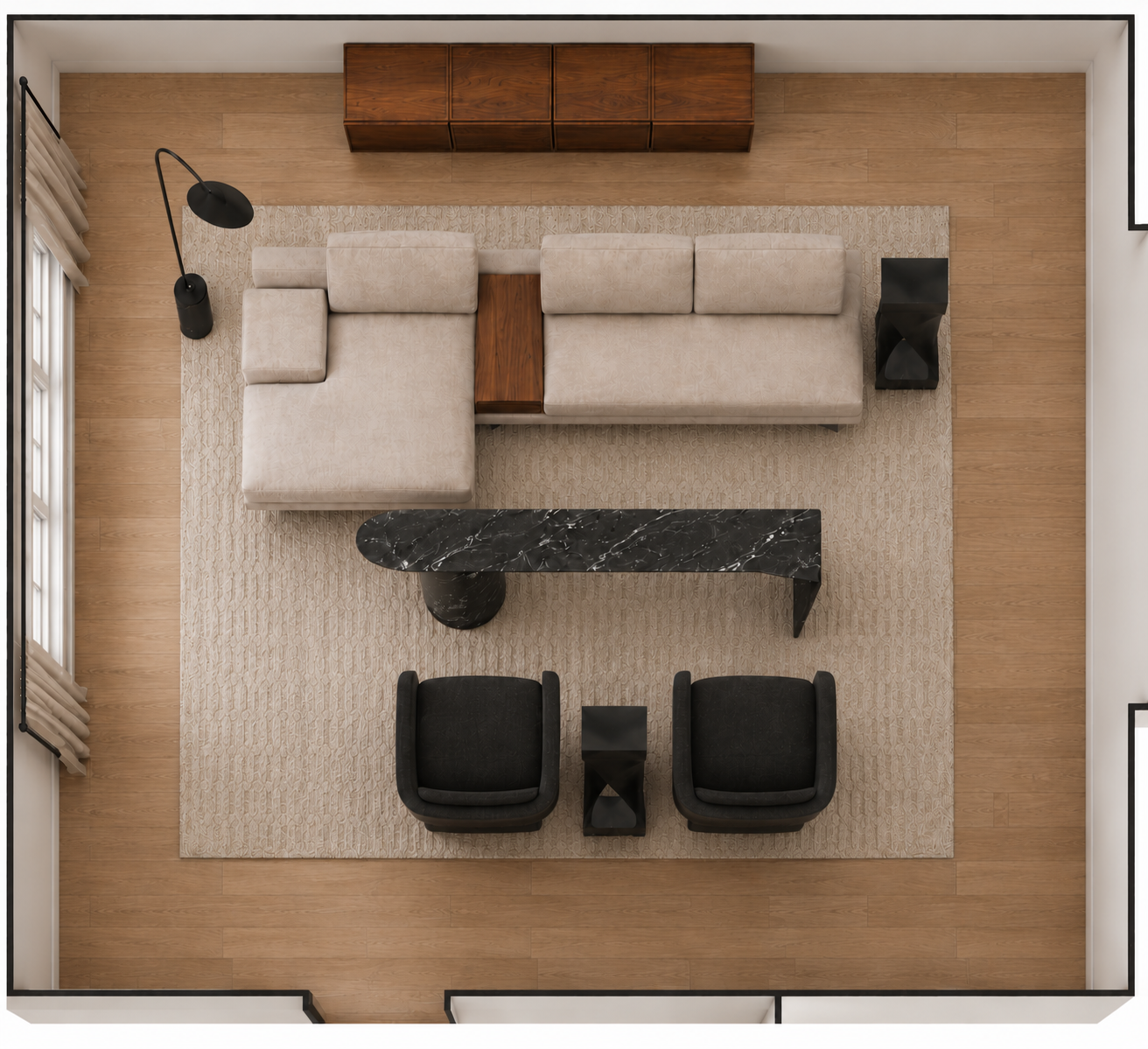
A digital rendering of a living room design shown from above. Be sure to take into consideration the room as a whole and all the furniture in the room when deciding on a coffee table.
Step 2: Choose the Right Coffee Table Length
A good starting point is for the coffee table to be approximately one-half to two-thirds the length of the sofa.
For example:
72-inch sofa → approximately 36–48-inch coffee table
84-inch sofa → approximately 42–56-inch coffee table
96-inch sofa → approximately 48–64-inch coffee table
This, of course, is not a rule; just general guidelines that help with selection. If you find something you love that doesn’t fit within the increments above, try the painter’s tape method I mentioned in my Furniture Plan post and see how the size and shape feel to you.
I use the one-half to two-thirds guideline as a starting point, not a strict rule . A sectional, unusual furniture arrangement, or especially large room may call for something different.
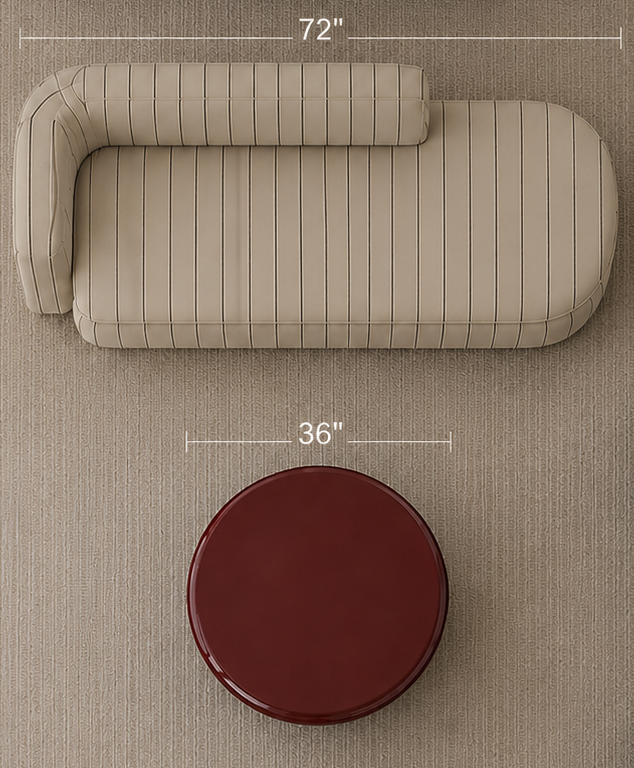
A digital rendering of a 6’-0’’ loveseat paired with a round 36’’ coffee table.
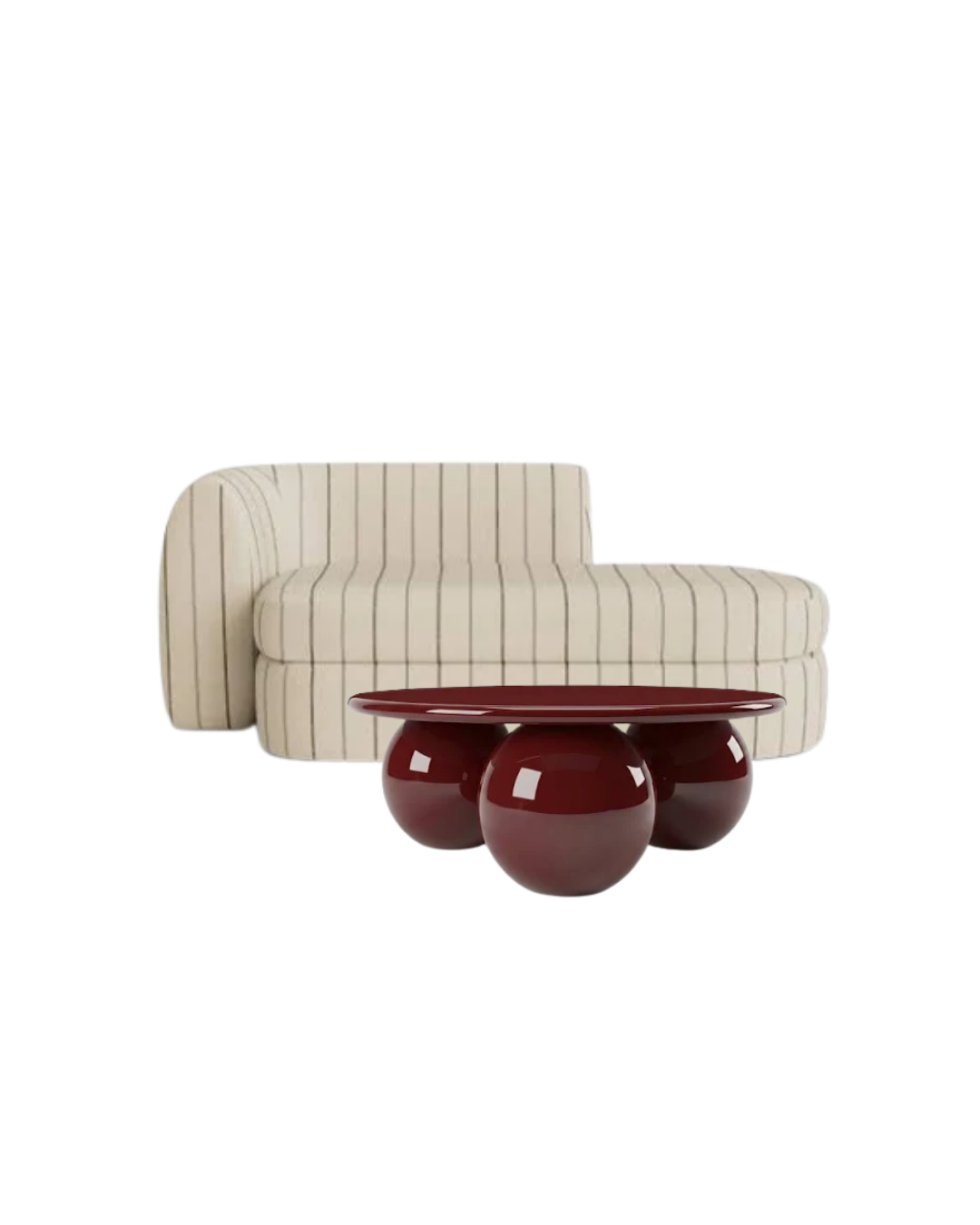
A digital rendering of a 6’-0’’ loveseat paired with a round 36’’ coffee table.
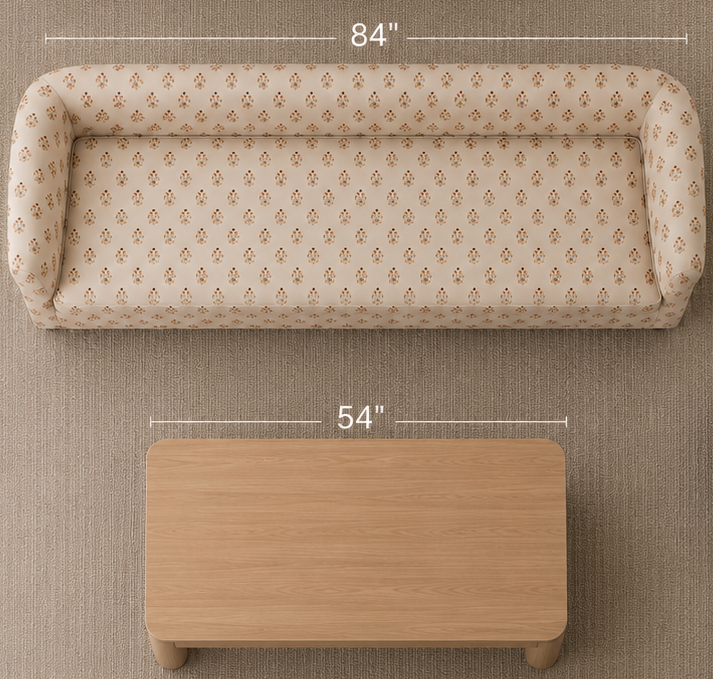
A digital rendering of a 7’-0’’ loveseat paired with a round 54’’ coffee table.
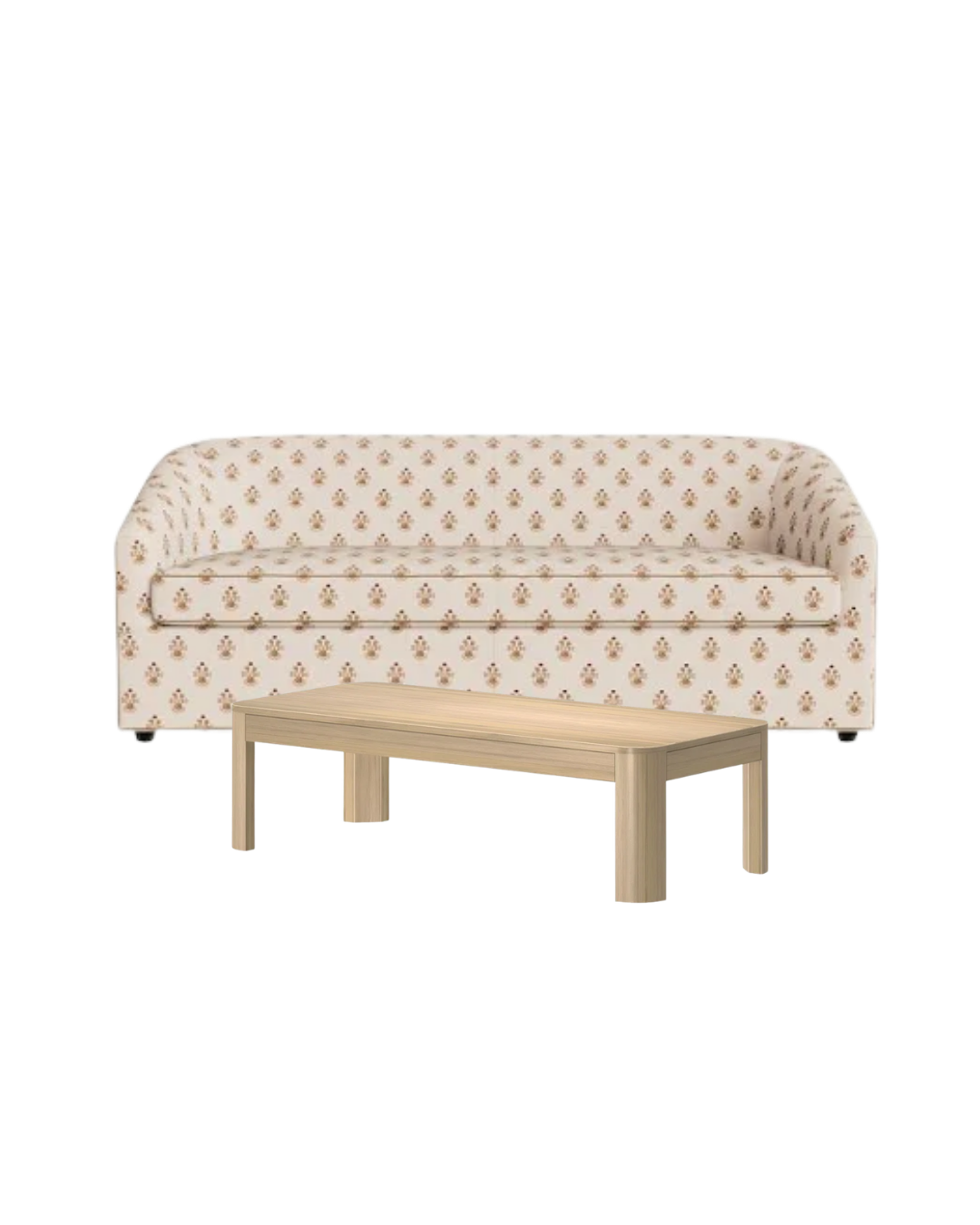
A digital rendering of a 7’-0’’ loveseat paired with a round 54’’ coffee table.
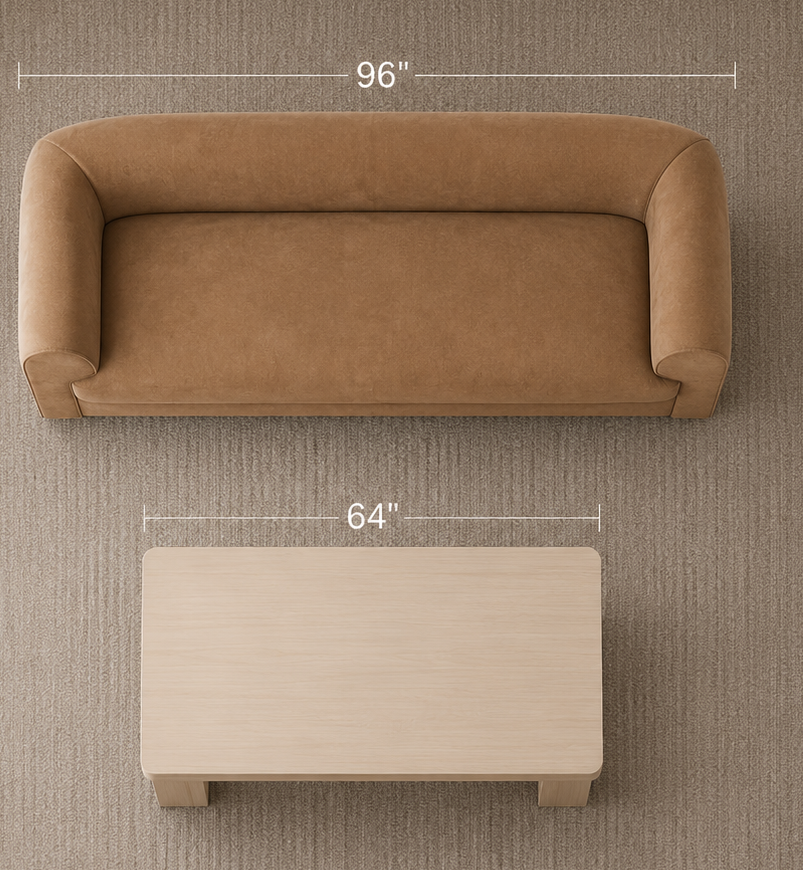
A digital rendering of a 8’-0’’ loveseat paired with a round 64’’ coffee table.
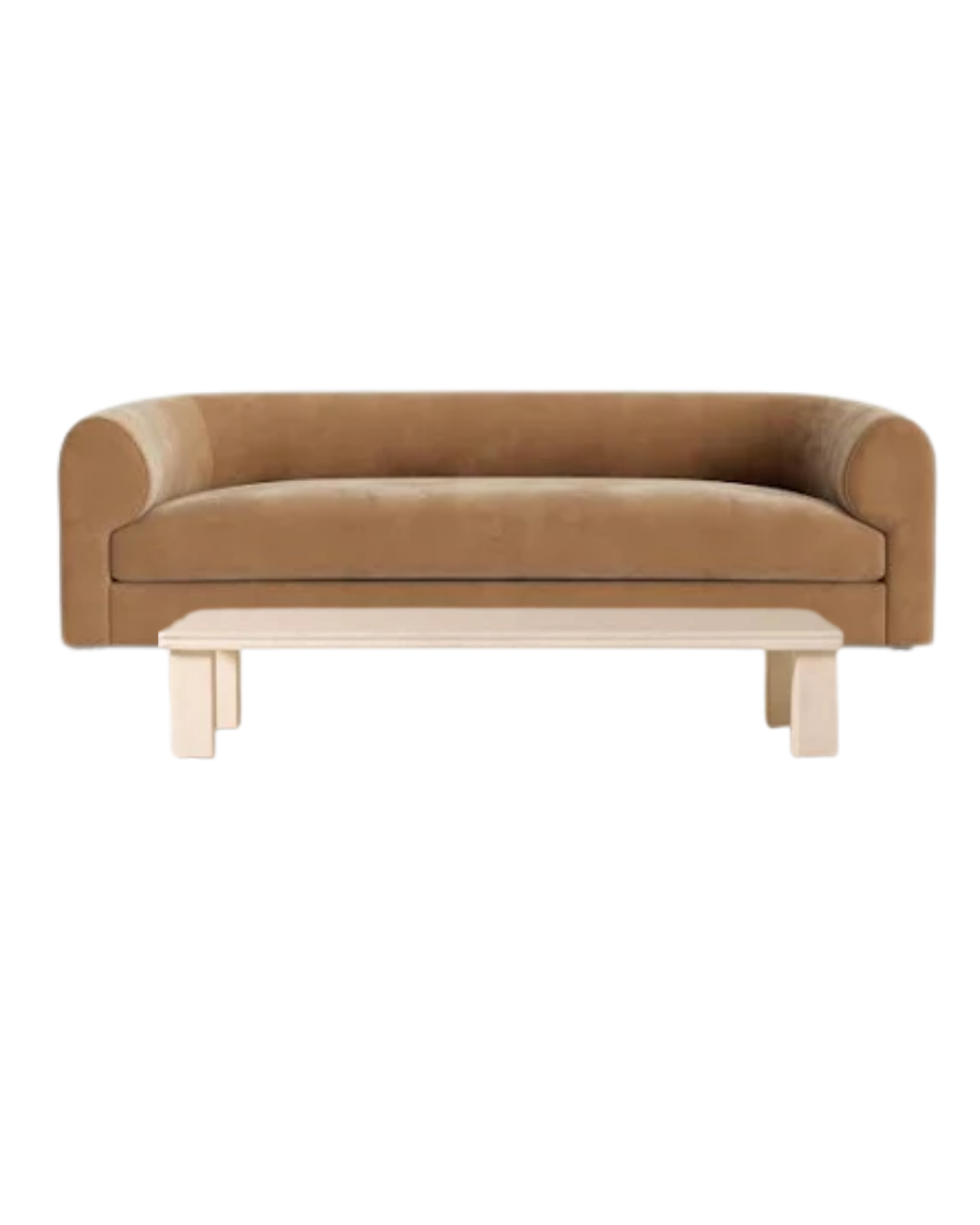
A digital rendering of a 8’-0’’ loveseat paired with a round 64’’ coffee table.
Step 3: Pay Attention to Coffee Table Height
A common guideline is for the coffee table to be approximately the same height as the sofa seat or slightly lower.
Many coffee tables are around 16–18 inches high, but the right height depends on the actual seating.
Too low can be uncomfortable to reach.
Too high can visually overpower a low-profile sofa.
A very low table can work intentionally with modern, low-slung furniture.
A slightly higher table may be more functional for certain clients.
“Designer perspective:
Rather than choosing a table based on a standard height alone, I look at how its height relates to the actual seat height and style of the surrounding furniture.”
Step 4: Leave Enough Space Between the Sofa and Coffee Table
A useful starting point is approximately 14–18 inches between the edge of the sofa and the coffee table.
This should generally be close enough to:
Set down a drink comfortably.
Reach the table without getting up.
Maintain a visual connection between the table and seating.
But far enough away to:
Walk through.
Sit down comfortably.
Avoid constantly bumping your knees.
If your room is very tight, don't automatically try to solve the problem by squeezing a large coffee table into the space. A smaller table, pair of nesting tables, or even a different shape may function much better.
Step 5: Consider the Rest of the Room's Circulation
Don't only measure the gap between the sofa and coffee table. Look at what's happening around the table.
Consider:
Main walkways
Fireplace hearths
TV consoles
Accent chairs
Ottomans
Doorways
Floor vents
Reclining furniture
A coffee table can be perfectly proportioned to the sofa and still be wrong for the room if it makes the main walkway too narrow.
Step 6: Choose the Right Shape for Your Furniture Layout
Rectangular Coffee Tables
Best for:
Standard sofas
Longer seating arrangements
Narrow living rooms
Traditional sofa-and-chair layouts
They're versatile and naturally relate to the long horizontal line of a sofa.
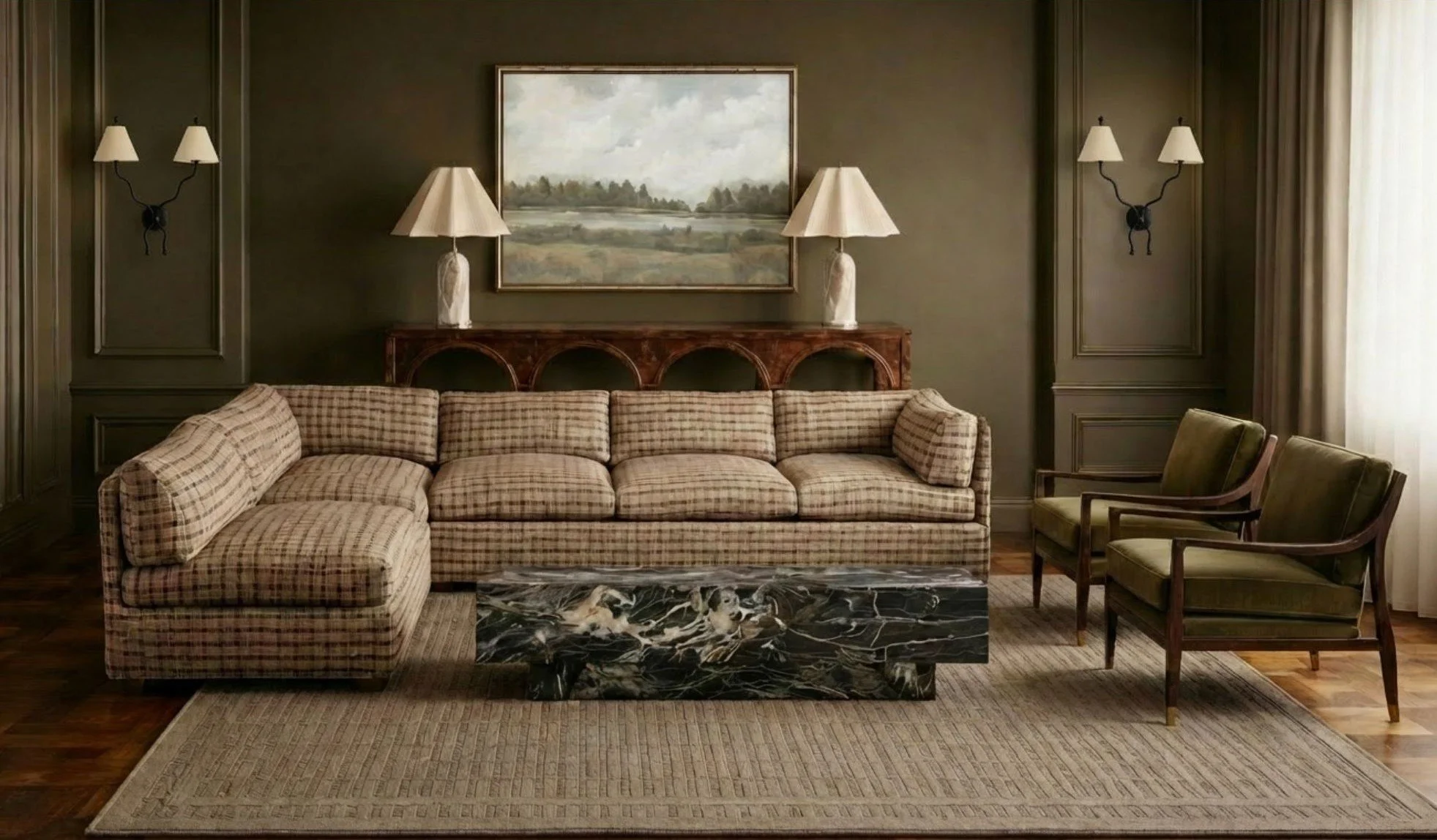
Rectangular Coffee Table:
A digital rendering showcasing a dramatic marble coffee table in a deep muted green living room.
Square Coffee Tables
Often work well with:
Large sectionals
Deep seating arrangements
Square rooms
Large conversation areas
Take note that sometimes square tables can feel bulky if not proportioned right with the room.
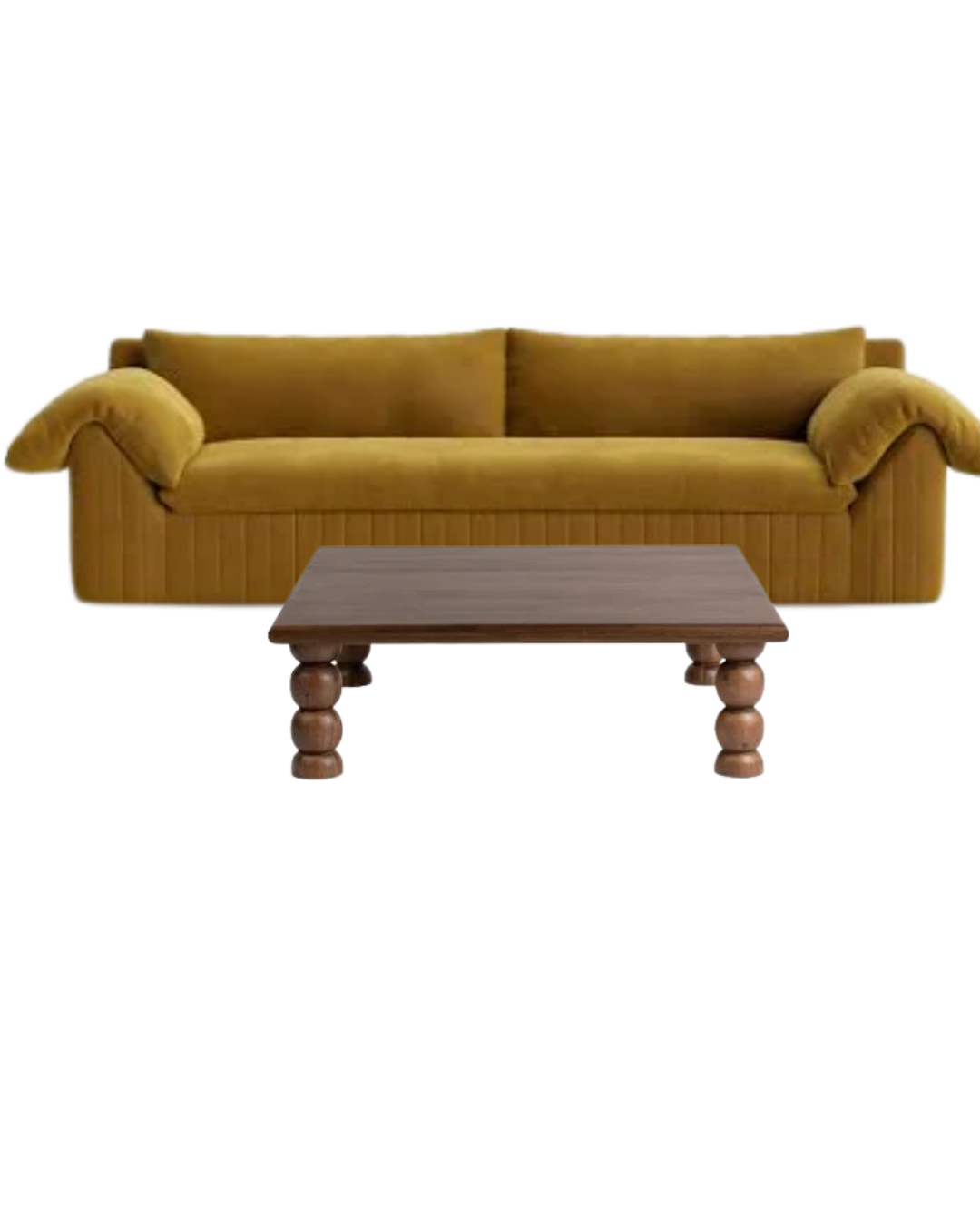
Square Coffee Table:
A digital furniture design palette showcasing a yellow upholstered sofa with a square walnut coffee table.
Round Coffee Tables
Particularly useful for:
Rooms with lots of hard angles
Families with young children
Tight circulation paths
Smaller seating groups
Curved furniture
A round table can soften a room visually and eliminate sharp corners in a high-traffic area.
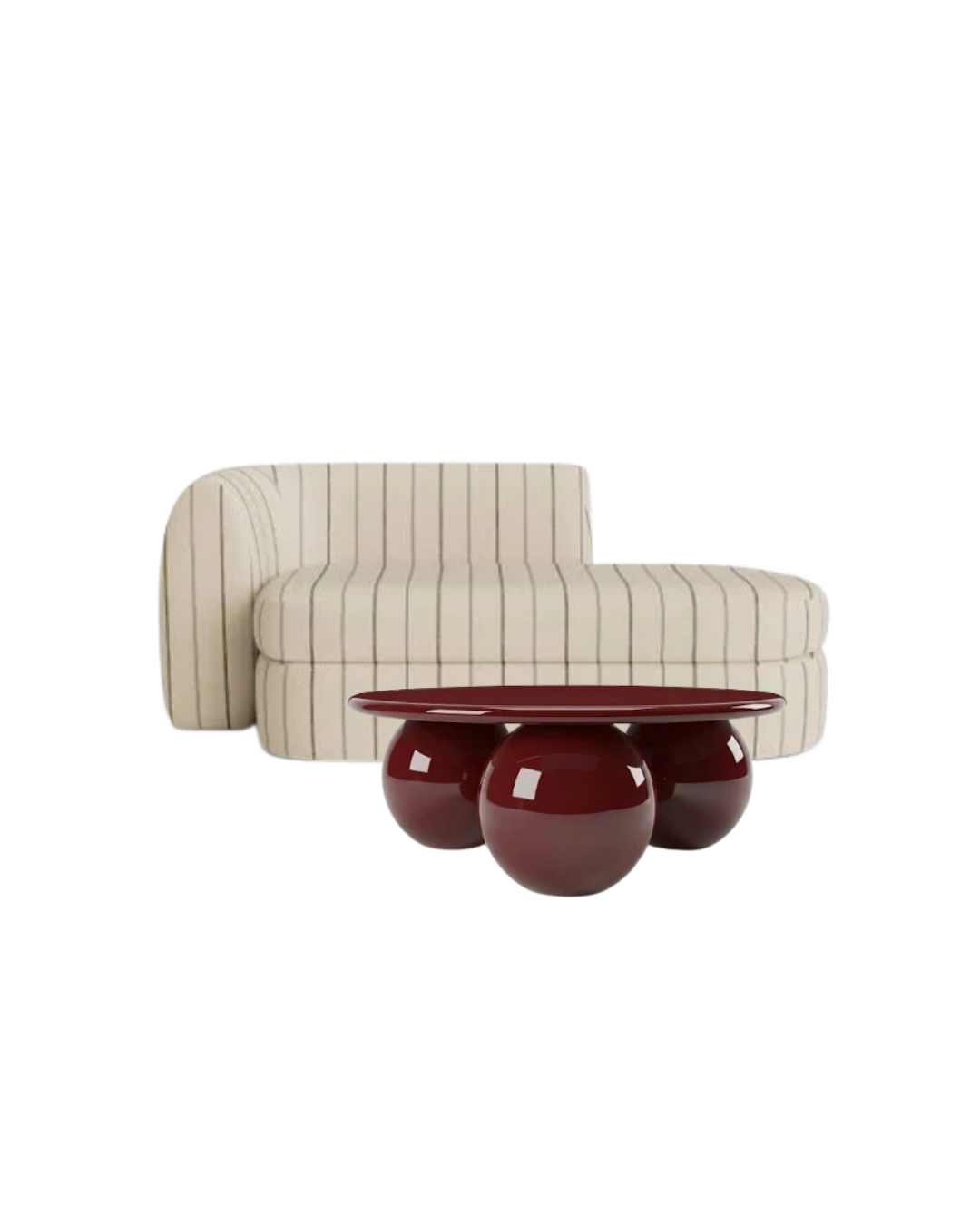
Round Coffee Table:
A digital furniture design palette showcasing a striped loveseat paired with a sleek, round deep maroon coffee table.
Oval Coffee Tables
A great compromise when you want:
The length of a rectangular table
Softer edges
Easier circulation
Something less visually heavy
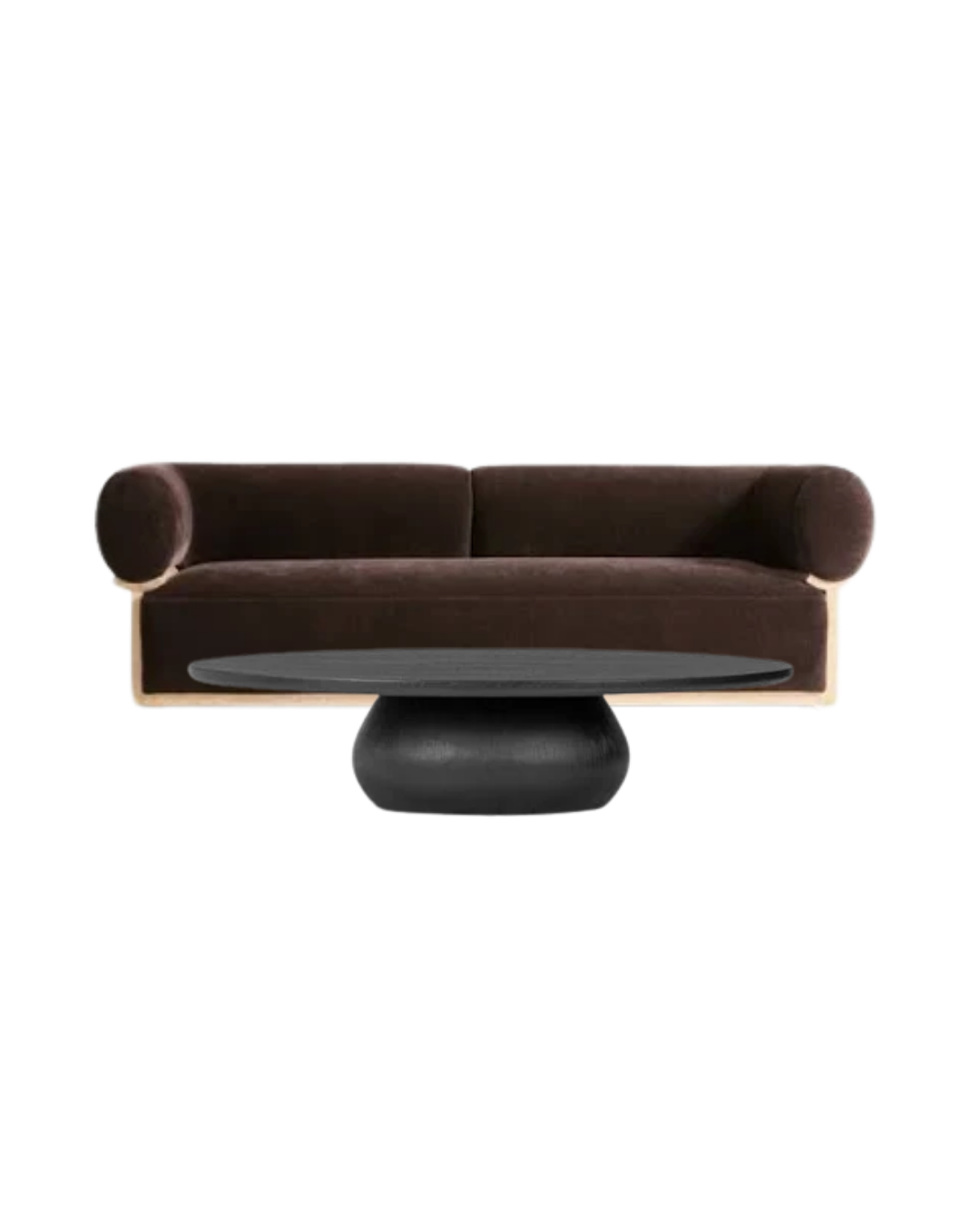
Oval Coffee Table:
A digital furniture design palette showcasing a modern velvet sofa in coffee brown with a black oval coffee table.
Organic or Irregular Shapes
These can work particularly well when:
The room needs visual softness.
The furniture is very linear.
You want the coffee table to act as a sculptural element.
The space doesn't work well with a rigid rectangle.
The right shape isn't just a style decision. It can completely change how easily you move through the room.
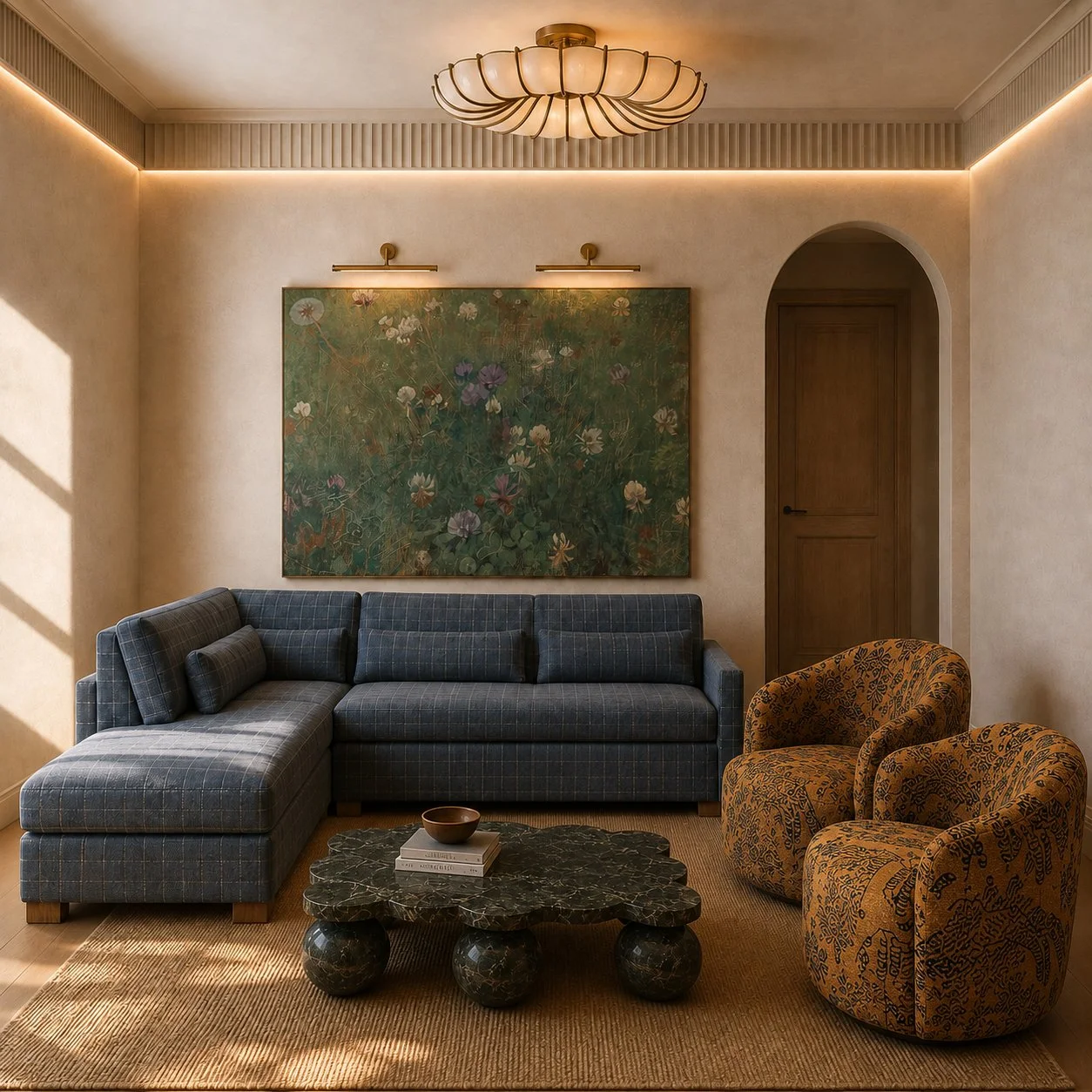
Irregular Coffee Table:
A digital rendering showcasing a a unique marble coffee table in a small family room.
Step 7: Consider Your Sofa or Sectional Shape
This deserves its own section because people often struggle with sectionals.
For a standard sofa, the coffee table can generally relate to the sofa's overall length.
For an L-shaped sectional, consider the interior opening created by the sectional.
With a sectional, I pay particular attention to the negative space inside the L. The coffee table should feel substantial enough to relate to the sectional without filling so much of that opening that the seating becomes difficult to access.
For a chaise sectional:
Don't let the table extend awkwardly beyond the chaise.
Consider whether a round or square table fits the opening better.
Make sure people sitting on both portions of the sectional can reasonably use it.
Step 8: Think About How You Actually Use Your Coffee Table
Ask yourself:
Do you eat meals in the living room?
Do you need storage?
Do you have young children?
Do you put your feet up?
Do you entertain frequently?
Do you play board games?
Do you need somewhere for remotes?
Do you want to display books and decorative objects?
Then connect those answers to different types of tables.
For example:
For hidden storage: Drawers, lift-tops, or enclosed bases.
For entertaining: A larger surface or multiple smaller tables that can move around.
For small spaces: Nesting tables.
For children: Rounded corners and durable materials.
For putting your feet up: Consider an upholstered ottoman with a tray.
The most beautiful coffee table isn't the right one if it doesn't work with the way you actually live.
Step 9: Choose a Material That Makes Sense for Your Life
Once you've narrowed down the size and shape, it's time to think about materials. Choosing a material is what is going to set the tone of your room. First decide if you want a hard surface or something upholstered and go from there.
Wood
Warm, versatile, and available in almost every design style. Consider durability and how easily the finish shows scratches or water rings.
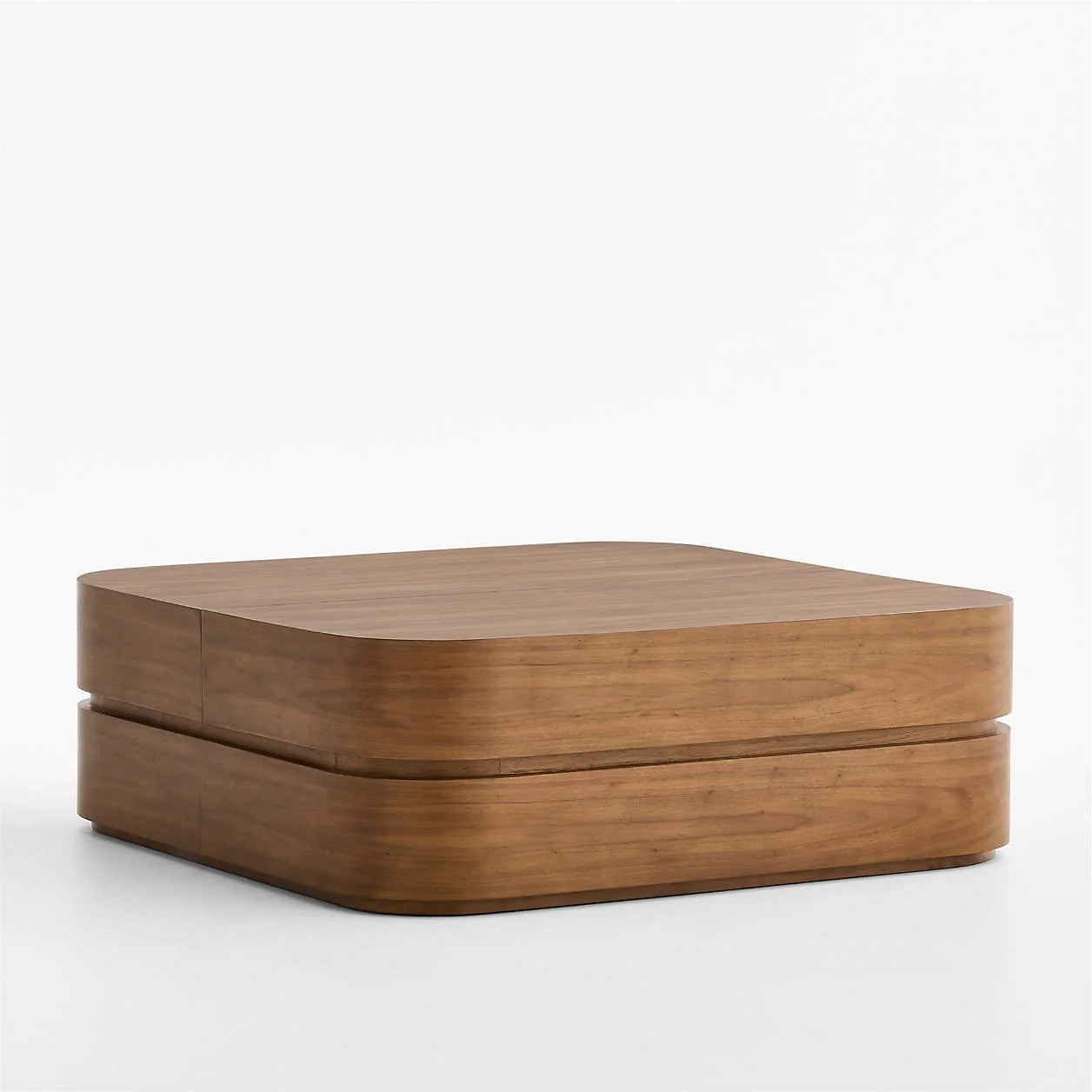
Wood Coffee Table:
*Crate and Barrel Milano Coffee Table in Walnut
Glass
Visually light and useful in smaller rooms, but may show fingerprints and require more frequent cleaning.
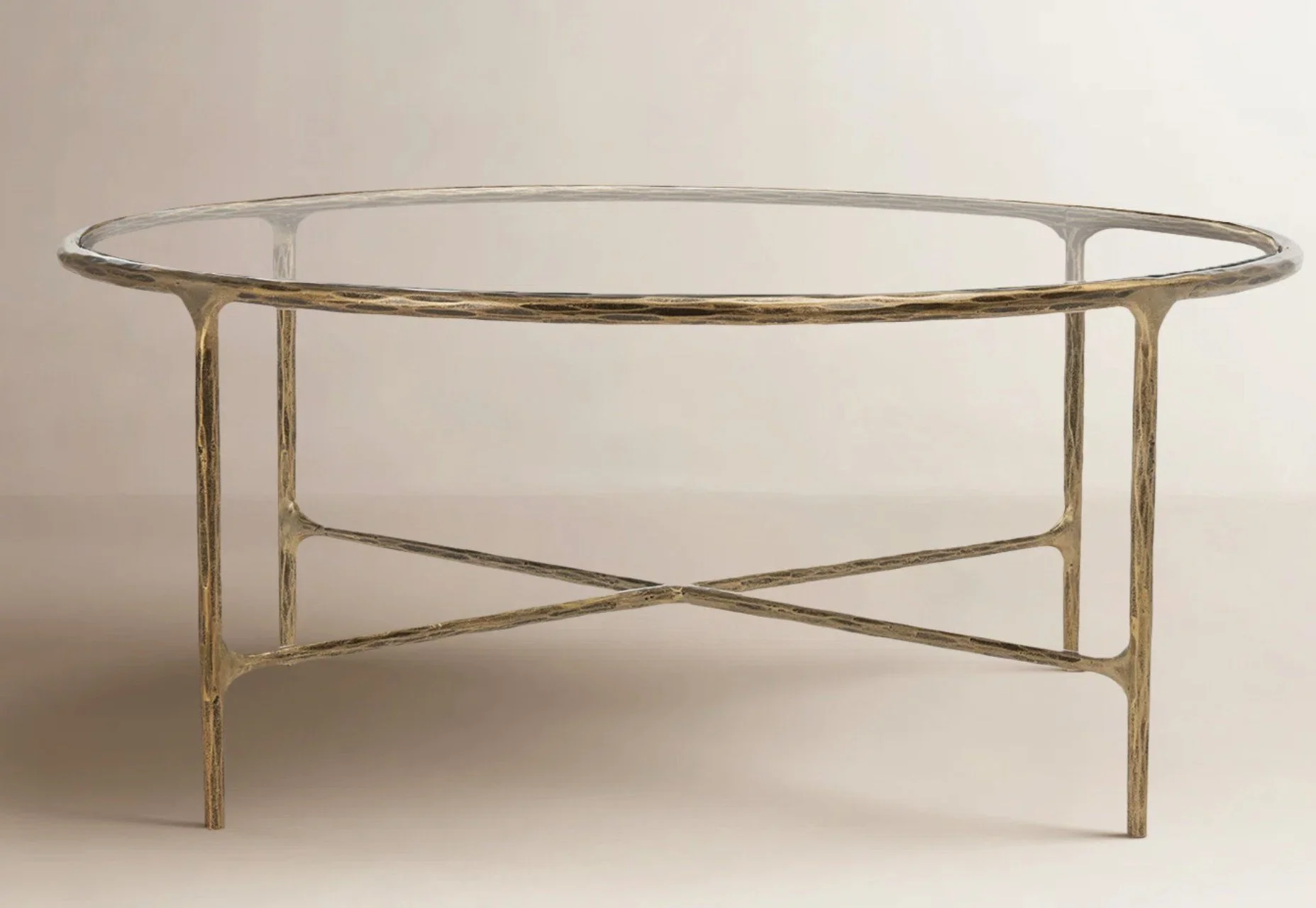
Glass Coffee Table:
*Birch Lane Evelynn Coffee Table
Stone
Beautiful and substantial, but often extremely heavy. Some natural stones can stain or etch.
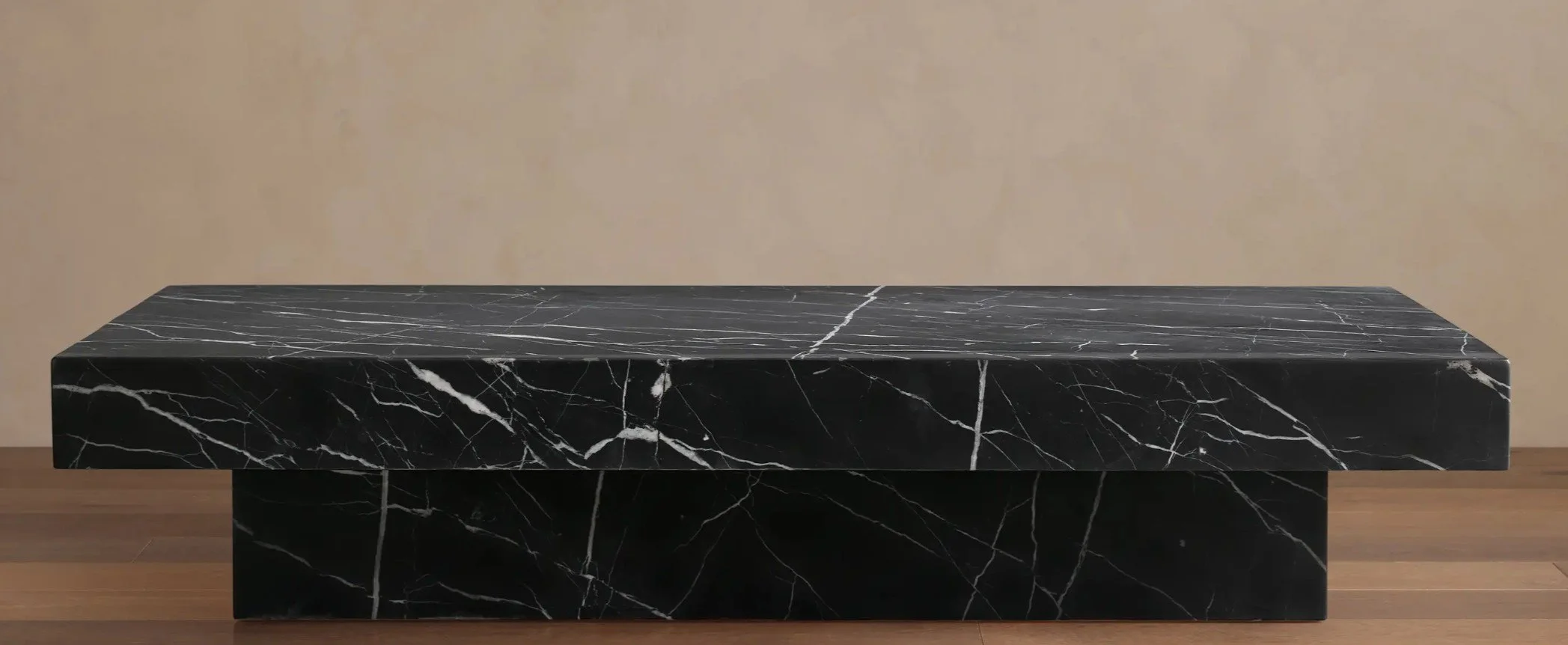
Stone Coffee Table:
*Arhaus Cinzia Stone Coffee Table
Metal
Can add contrast and work well when other furniture in the room is visually heavy.
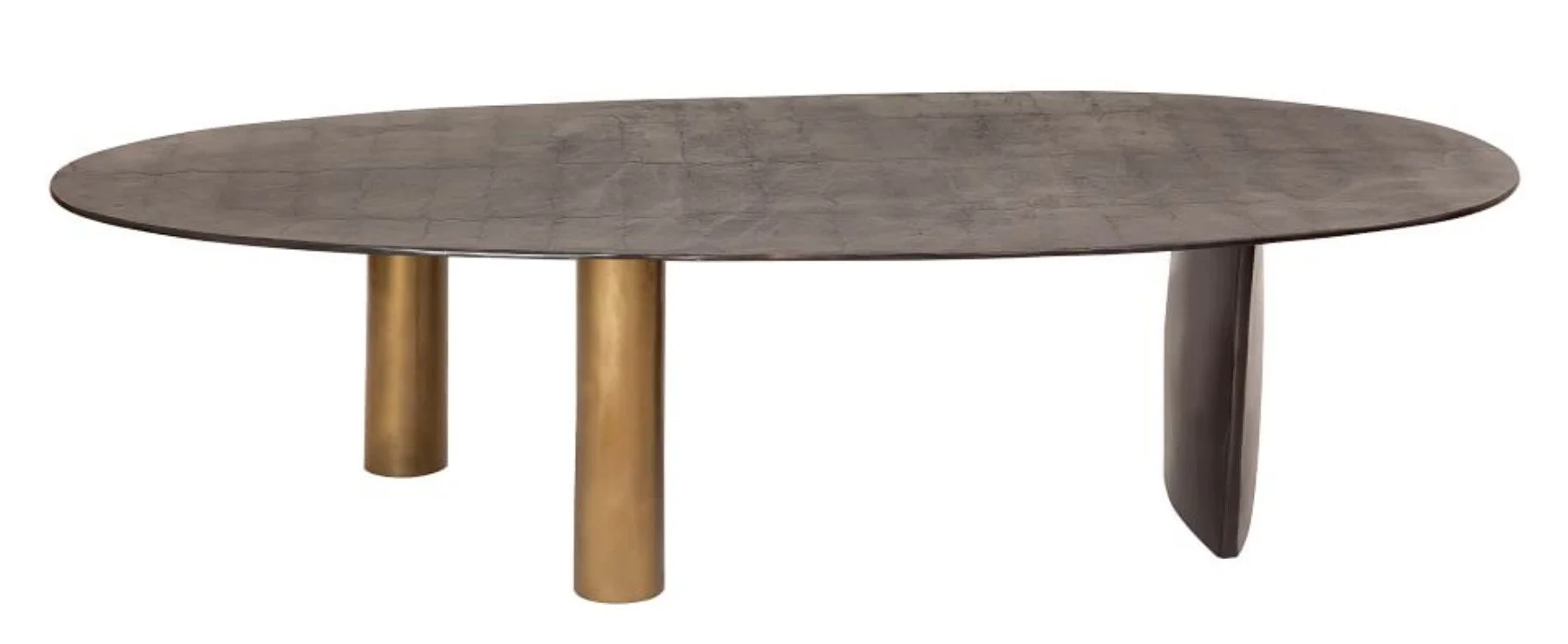
Metal Coffee Table:
*West Elm Aluminum Flat Leg Coffee Table
Upholstered Ottoman
Soft and comfortable but requires a tray for drinks and may be less practical with certain fabrics.
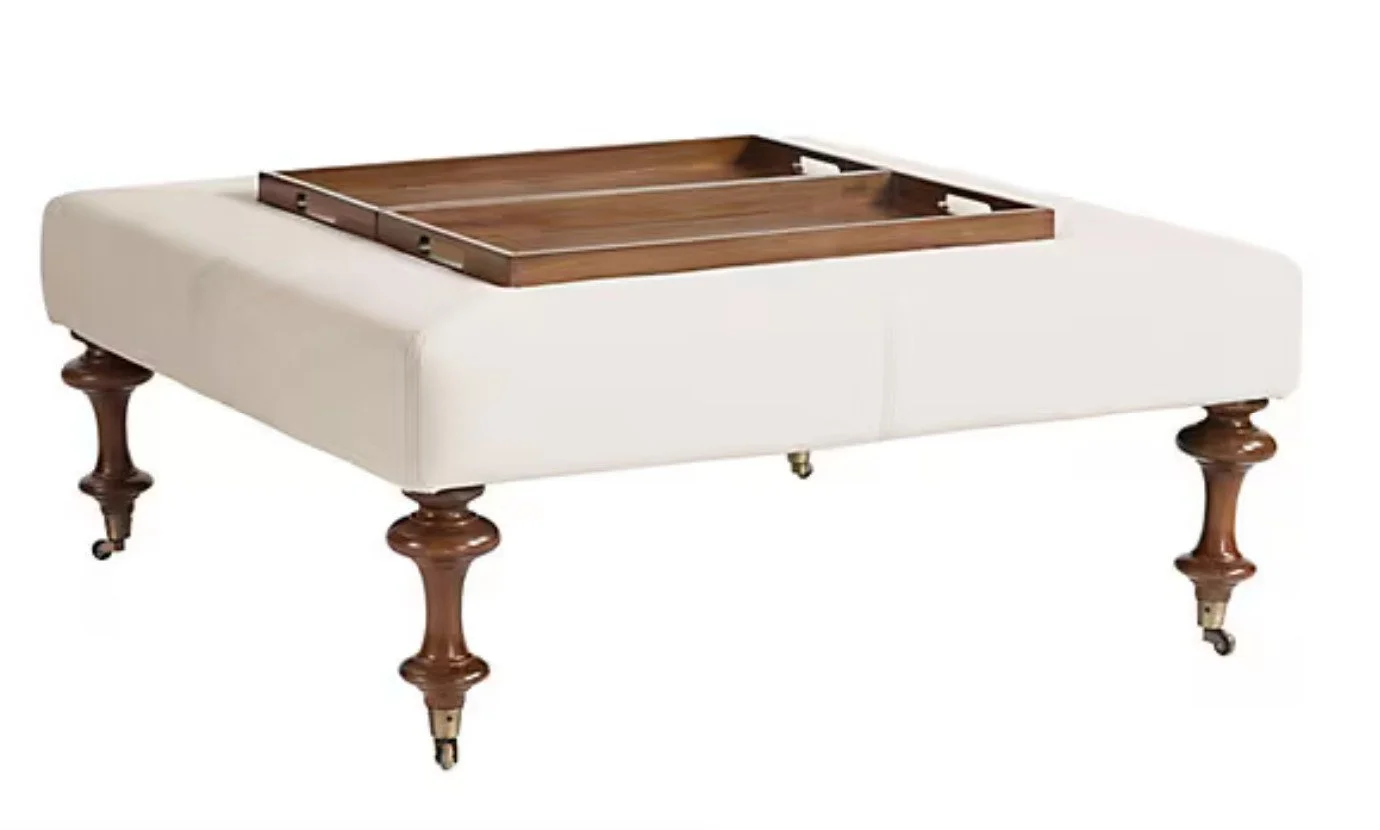
Upholstered Ottoman:
*Birch Lane Tristen Ottoman
Plaster or Concrete
Sculptural and textural but can be very heavy and may be prone to chipping depending on the material.
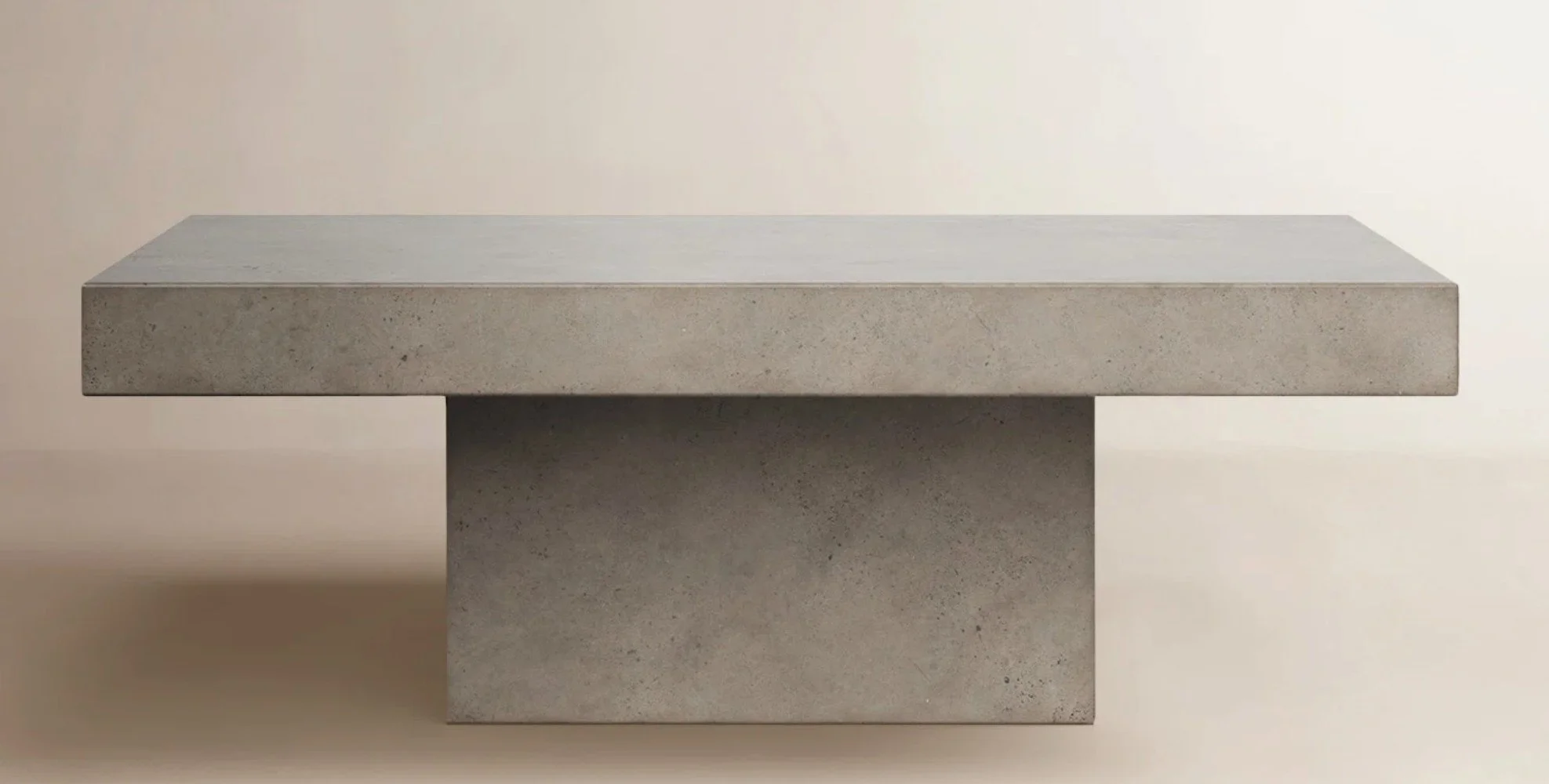
Plaster or Concrete Coffee Table:
*Kareen Concrete Coffee Table
I don't choose materials based solely on appearance. I consider who's using the room, how much maintenance the client is comfortable with, and what other textures and finishes are already present.
Step 10: Consider Visual Weight, Not Just Physical Dimensions
Two coffee tables with identical dimensions can feel completely different.
For example:
A glass table visually disappears.
A solid dark wood block feels substantial.
A table on thin legs feels lighter.
A stone pedestal table can become a major focal point.
Measurements tell you whether a piece physically fits. Visual weight tells you whether it feels balanced with everything around it.
A massive sofa might need a more substantial table. A delicate sofa on narrow legs could be overwhelmed by a visually heavy block-style table.
Step 11: Don't Automatically Match Everything Else in the Room
I talked about the idea of keeping items unique to create more character and visual contrast in my post “Unexpected ways to make your home look more expensive” You can check that post out here:
That being said, your coffee table also does not have to match any of the following:
The media console
The end tables
The dining table
Every other wood tone in the room
In fact, a little contrast can make the space feel more collected.
For example:
Wood end tables + stone coffee table
Upholstered sofa + metal and glass table
Traditional seating + sculptural contemporary table
Instead of trying to match every finish, look for materials that complement one another and create balance.
Step 12: Tape Out the Dimensions Before You Buy
Before ordering, use painter's tape to mark the coffee table's exact dimensions on the floor. If you have read any of my posts, you know I always talk about the beauty of using good old-fashioned painter’s tape. It just works.
Then:
Sit on the sofa.
Walk around the room.
Check the distance to every seat.
Make sure you can access the seating comfortably.
Open recliners if applicable.
Look at the footprint from adjacent rooms.
A difference of six inches can seem minor when you're looking at dimensions online. Once you see that footprint in your actual room, it can make a significant difference.
Common Coffee Table Mistakes to Avoid
Choosing a table that's too small for the sofa.
Putting the table too far away to use comfortably.
Choosing based on style before checking dimensions.
Ignoring the sectional's shape.
Blocking major circulation paths.
Matching the coffee table to every other piece of furniture.
Choosing a material that doesn't suit your lifestyle.
Forgetting about visual weight.
Buying without taping out the dimensions first.
Conclusion: The Right Coffee Table Should Fit the Room and the Way You Live
Choosing the right coffee table isn't simply about finding one you love. The best table should relate to the scale of your sofa, work with your furniture layout, leave comfortable room for circulation, and support the way you actually use your living room.
Start with your furniture plan, determine your ideal dimensions, consider which shape works best with your seating arrangement, and test the footprint before you order. Once you've done that, you can focus on finding a piece that's not only beautiful but truly right for your space.
Need help creating a furniture plan or choosing pieces that actually work together? I offer professional interior design services to help create thoughtful, functional spaces tailored to your home and the way you live.
