
Introduction
Decorating a home isn’t about buying expensive furniture—it’s about making intentional choices that work together.
As an interior designer, I see many of the same decorating mistakes over and over. The good news? Most of them are surprisingly easy to fix without starting from scratch.
Here are the biggest decorating mistakes I see homeowners make—and what to do instead.
AFFILIATE DISCLOSURE: This post contains affiliate links. If you purchase through these links, I may earn a small commission at no additional cost to you. I only recommend products I genuinely love or would use in my own designs. This post is not sponsored, and all opinions are my own.
RENDERING DISCLAIMER: The images in this post are digital renderings created to illustrate my original design concepts. They are intended for inspiration and visualization and may not represent exact dimensions, materials, or construction details. See my full Disclosure & Disclaimer Policy for more information.
1. Buying Furniture Before Making a Plan
One of the most expensive mistakes is shopping before knowing exactly what the room needs.
Common problems:
Furniture that’s too large or too small
Pieces that don’t work together
Poor traffic flow
Wasted money on items that don’t fit
Buying things that don’t work together well
Do instead:
Create a furniture plan before purchasing anything. I have created a whole post to walk you through building your own furniture plan before you start making purchases. You can see that post here:
How to Create a Furniture Plan Before You Buy Anything
2. Choosing a Rug That’s Too Small
A tiny rug makes the entire room feel disconnected. Having a larger rug makes all the furniture on top of the rug feel more cohesive and makes the room flow better as a whole.
For bedrooms, I’d like to see at least 24’’ of space on either side of the bed so that you can touch down on the rug when you get out of bed.
For your living room, a good rule of thumb is to have all furniture on the rug OR to have at least all front legs of furniture on the rug.
Finally, for your dining area, it is important to have at least 24’’ of space behind your chairs so that you can move chairs in and out with ease.
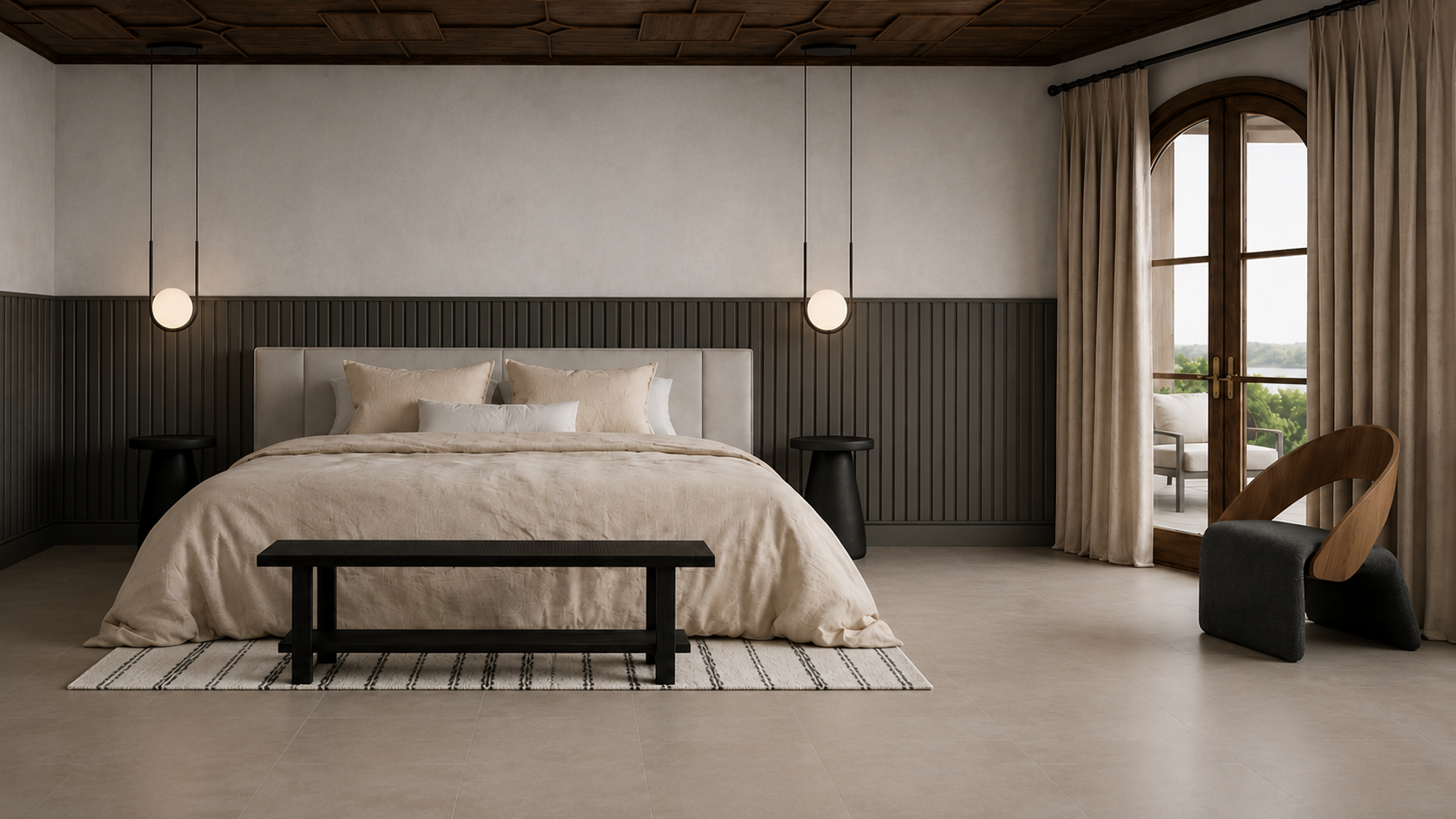
Small Rug
Notice how this rug makes the room feel unfinished.
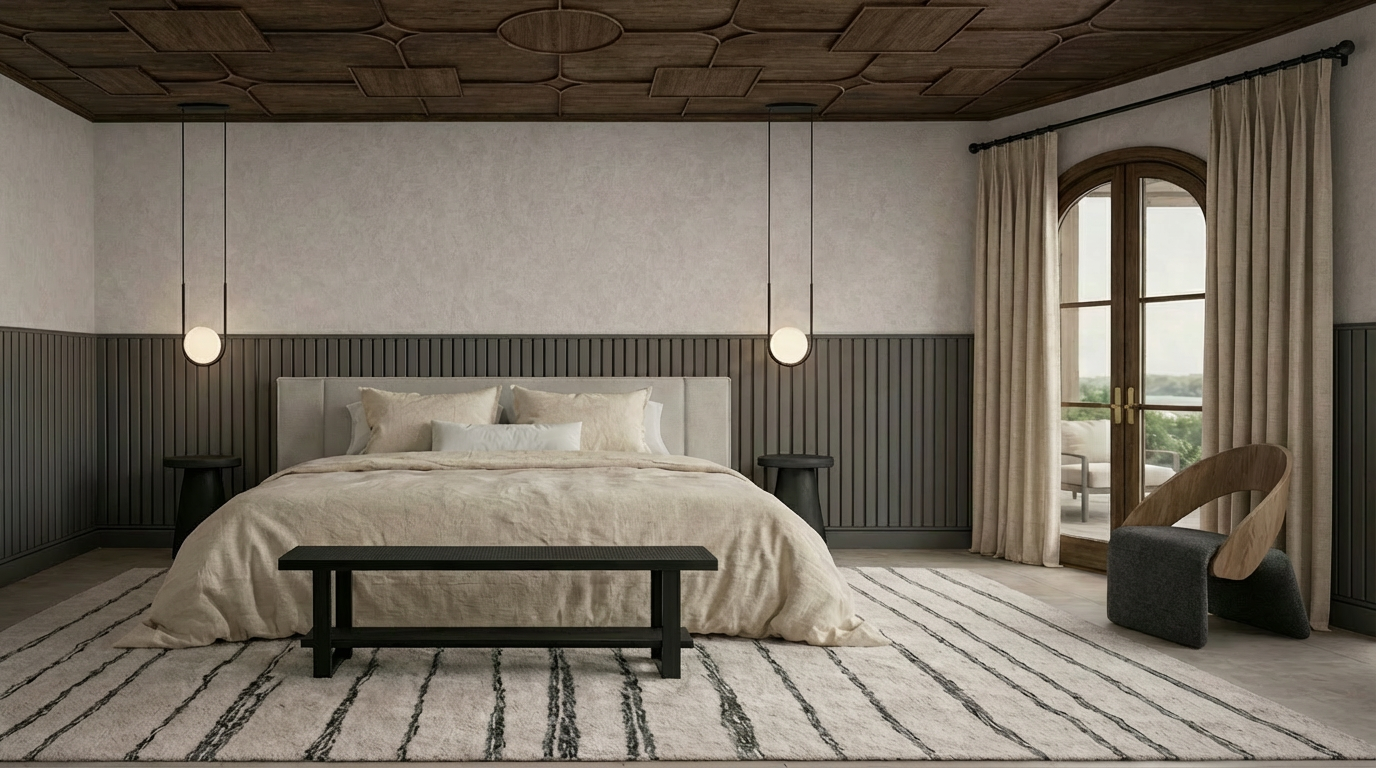
Larger Rug:
Notice how the larger rug makes the room feel more cohesive and it adds a statement.
Do instead:
Choose a rug that anchors the furniture instead of floating underneath it. I have also put together an entire post on choosing a rug that fits your space. I would encourage you to read that post when you are done here.
I have also created a rug guide if you need further help with your purchase.
How to Choose the Right Rug Size
3. Hanging Artwork Too High
Artwork is often placed much higher than it should be. Artwork should be at a good sightline. You want someone of average height to easily be able to view the art without thinking about looking up or down. Typically we see art that is hung too high rather than too low, but both are an issue.
A good rule of thumb if you are not hanging art above furniture is to mount it with the center of the art at 57’’-60’’ above the floor.
If you are hanging art above furniture, use the furniture as a guide. Leaving at least 6’’ between the art and the furniture is a good rule of thumb if the space is available.
For gallery walls, it helps to leave equal space between all of the pieces.
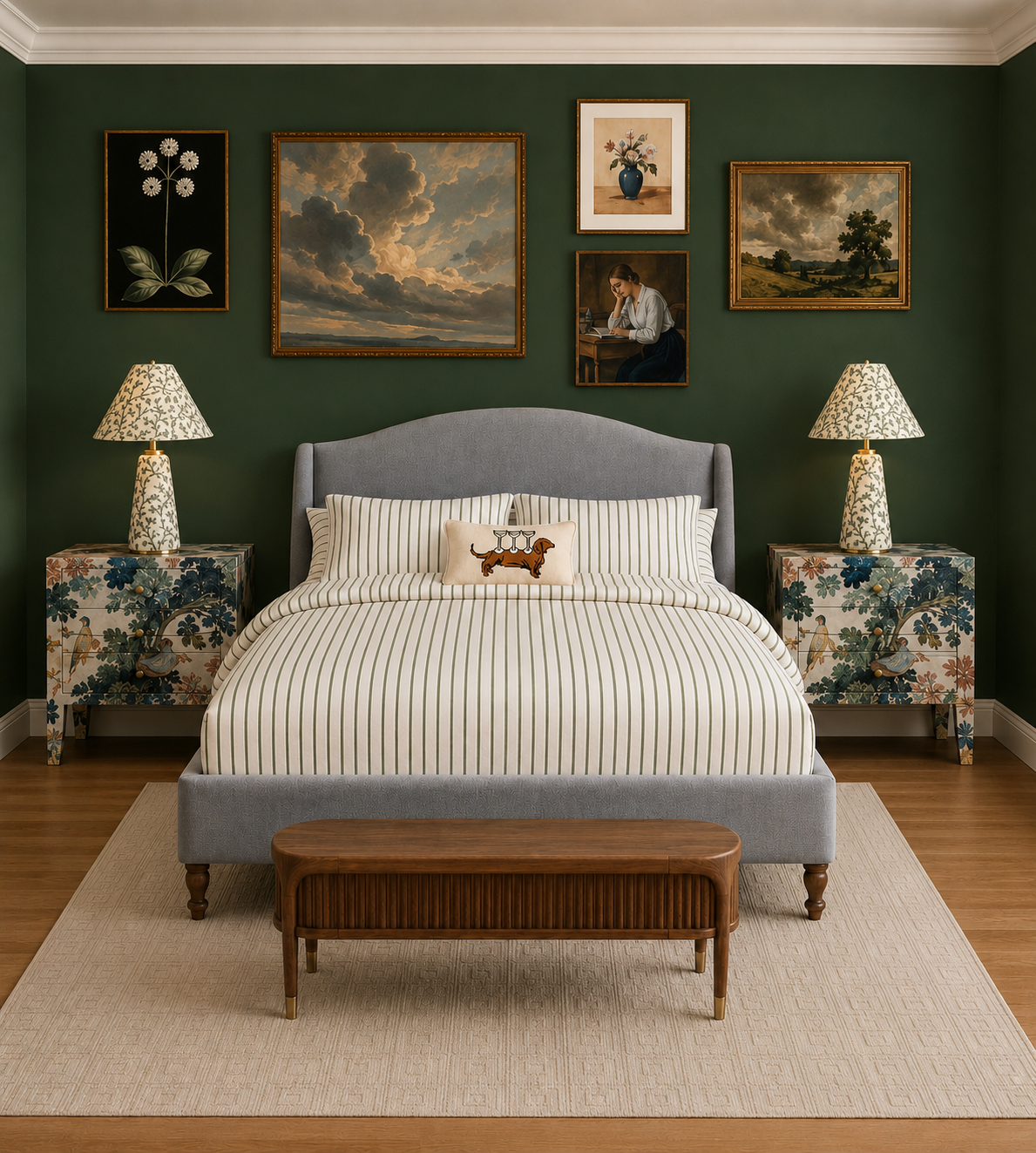
Gallery Wall:
A digital rendering showcasing a gallery of artwork hung above a bed. All of the art is equally proportioned from the furniture it is above.
4. Pushing Every Piece of Furniture Against the Wall
Many homeowners assume more open floor space equals a larger room. While it does give you a large open space in the center, it doesn’t always function the best and can make the space feel disconnected.
Examples where this is common include:
Living rooms
Bedrooms where multiple furniture pieces are present
Conversation seating
Sometimes floating furniture can create a much more natural layout. I have found that in space that have a more open floor plan, this is especially true.
5. Relying on One Ceiling Light
Many homes have only one overhead fixture per room. I think veering away from the “big light” is becoming a more popular idea, and I couldn’t agree more. It is important to still keep your overhead lights for tasks that might require more light, but layered lighting gives you the flexibility to light the space as you need. Layered lighting is when you create multiple angles of lighting. For example, you might have an overhead light, some wall sconces, floor lighting, or lamps. All of this creates different levels of ambiance and dimension to the space.
When layered lighting is skipped, the outcome can often create spaces that have:
Flat lighting
Dark corners
Little visual interest
Designer recommendation:
Layer lighting with:
Table lamps
Floor lamps
Sconces
Accent lighting
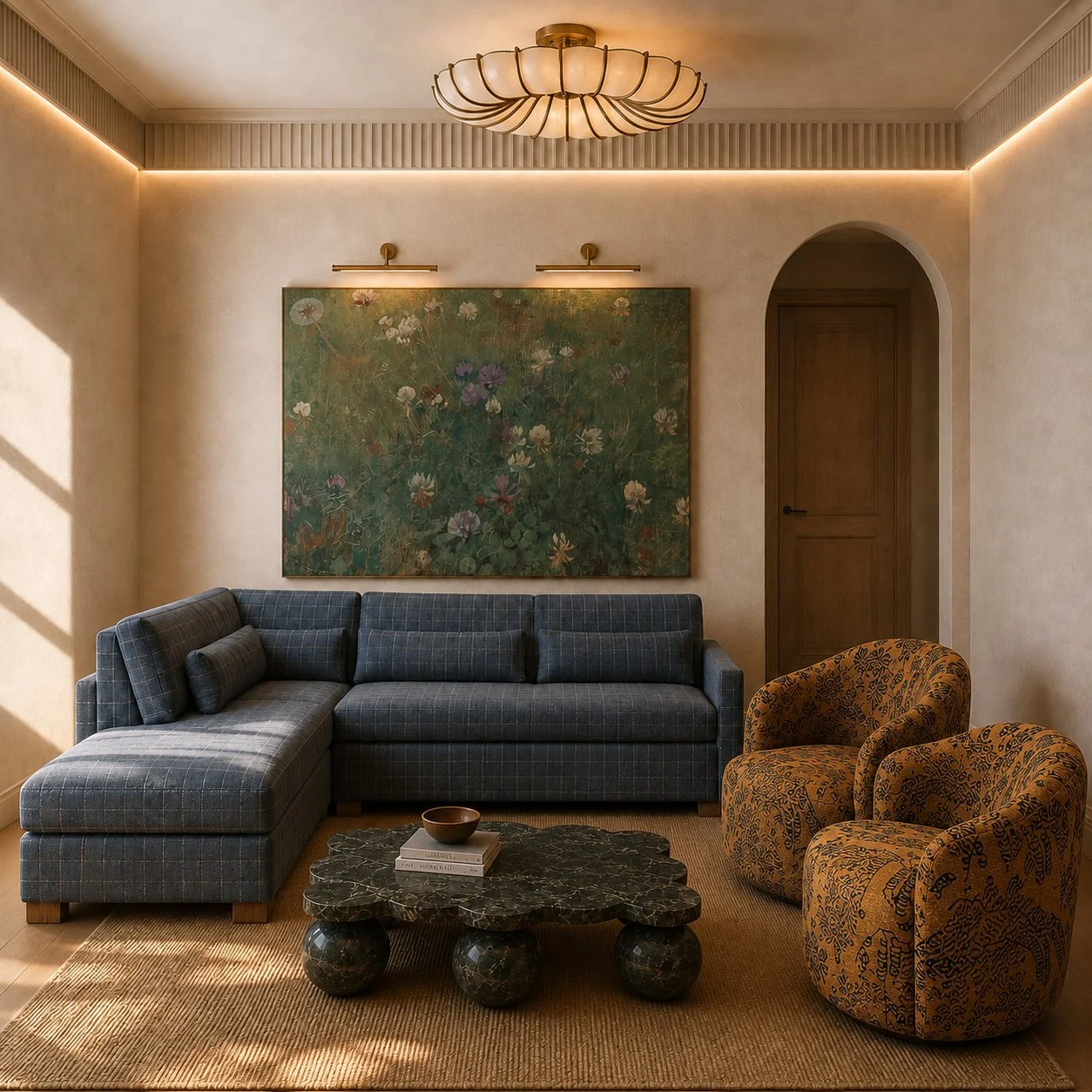
Layered Lighting:
A digital rendering showing center ceiling lighting, strip lighting recessed in the crown molding, and picture lights. This room also contains sconces flanking the TV on the opposite wall.
If you are looking for more information on lighting, feel free to check out my lighting post:
7 Places to Add Lighting That Most Homeowners Forget
6. Buying Matching Furniture Sets
Buying an entire matching collection often creates a showroom look instead of a home that feels collected. There is nothing wrong with doing this, and I completely understand the appeal for simplicity, but if you are trying to create a home that feels designed I would stay away from matching sets.
Designers layer materials and textures in their designs, and it gives warmth and interest. When matching sets are used it doesn’t allow you to contrast textures or wood stains or find a funky fabric for an ottoman that perfectly complements the coffee table.
Take these things into consideration when considering your design:
Materials
Wood tones
Shapes
Upholstery
7. Ignoring Scale and Proportion
This one can be tricky and this leads me back to the furniture plan and why it is so important. Although I love using design softwares like AutoCAD and BIM, they aren’t feasible for everyone. Here are a couple of tricks you can use that are more cost effective to make sure you consider the scale of your furniture and the room itself:
Use painter's tape to lay out the design on the floor prior to purchasing anything- I mentioned this in my Furniture plan post and will continue to share it. It is cheap, easy, and a great way to get a feel for what you are going to be putting in your room.
Sketch it out on graph paper. This is essentially going to be your furniture plan. You can use graph paper to help you with scale by scaling to 1 square of graph paper = 1’-0’’.
Some common mistakes:
Tiny coffee tables
Oversized sectionals
Small artwork over large sofas
Short lamps beside tall furniture
8. Forgetting to Add Texture
A room can have beautiful colors but still feel flat. This has happened recently with the color blocking trend. I am a big fan of color blocking, but when one color of paint everywhere is the only characteristic of the room it can feel a bit like a box. There are several ways to combat this:
Linen- think drapery, pillows, blankets
Wool- rugs
Leather- upholstery
Wood- flooring, furniture, accent ceilings, accent trims and doors
Stone- flooring, fireplace surrounds, accent walls
Woven baskets
Natural fibers
9. Decorating Without Considering Function
Creating a beautiful space can be so much fun, but it is important to consider how you will be living in or using the space day in and day out. Interview yourself and anyone you share a space with to accurately decide what you should consider.
Ask:
Where do you set your coffee?
Is there enough lighting to read?
Do people have a place to charge their phone?
Can guests comfortably move through the room?
Beautiful rooms should also work well for everyday life.
Quick Decorating Checklist
Before buying anything, ask:
Does it fit my floor plan?
Is it the right scale?
Does it balance the room?
Does it add contrast or texture?
Does it serve a purpose?
Will it still work if I change other furniture later?
If the answer is “no” to several of these, maybe reconsider or get another opinion on the item in question.
Conclusion
Great decorating isn’t about following every trend or buying the most expensive furniture. It’s about making thoughtful choices that create balance, function, and personality. Avoiding these common mistakes will help your home feel more polished, intentional, and timeless—often without spending more money.
